 Pin it
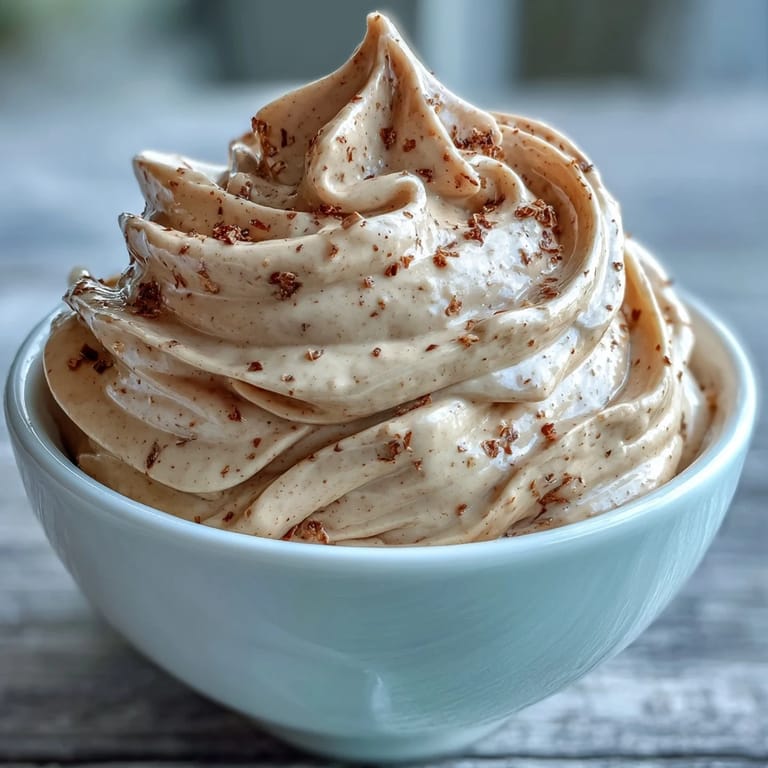
 I discovered hojicha pastry cream by accident one autumn afternoon when a Japanese tea tin caught my eye at the market. The label promised toasted notes and a gentle smokiness that seemed worlds away from the vanilla custards I'd always relied on. That weekend, I steamed milk with those roasted leaves, and the kitchen filled with this warm, almost caramel-like aroma that made me pause mid-whisk. It's become my secret weapon for elevating simple cream puffs into something that tastes like a quiet moment in a Tokyo café.
I remember filling my first batch of cream puffs with this at a dinner party where someone mentioned they'd never had hojicha before. Watching their expression shift from curiosity to genuine delight made the whole process feel worthwhile. That quiet moment of recognition—when a flavor clicks for someone—is exactly why I keep coming back to this recipe.
Ingredients
- Whole milk (2 cups): Use full-fat milk for richness; it carries the hojicha flavor better than lower fat versions and creates a silkier custard.
- Hojicha loose leaf tea (3 tablespoons or 3 tea bags): The heart of this recipe—look for quality roasted hojicha from a tea supplier, as it makes a noticeable difference in depth and smoothness.
- Large egg yolks (4): They're what thicken and enrich the cream, so don't skip using yolks alone; whites would water down your filling.
- Granulated sugar (1/2 cup): Sweetens the custard and helps create a stable base when whisked with egg yolks.
- Cornstarch (3 tablespoons): This prevents lumps and helps the cream set to the perfect piping consistency; sifting it first saves you from surprises.
- Unsalted butter (3 tablespoons): Whisked in at the end for silkiness and a subtle richness that rounds out the hojicha flavor.
- Vanilla extract (1/2 teaspoon): A small amount brightens the tea without overwhelming it; don't skip it even though hojicha is the star.
- Salt (pinch): Enhances all the flavors and prevents the cream from tasting flat or one-dimensional.
Tired of Takeout? 🥡
Get 10 meals you can make faster than delivery arrives. Seriously.
One email. No spam. Unsubscribe anytime.
Instructions
- Heat the milk gently:
- Pour your milk into a medium saucepan and watch it over medium heat until steam rises and you see tiny bubbles forming around the edges—you want it steaming, never boiling, or the texture suffers. This takes about 5 minutes and sets the foundation for everything that follows.
- Steep the hojicha:
- As soon as the milk steams, add your loose leaf tea or tea bags, then pull the pan off the heat and cover it. The next 10 minutes are when all that toasted, nutty magic infuses into your milk—resist the urge to peek too much, but a quick stir after 5 minutes doesn't hurt.
- Strain with intention:
- Set a fine mesh sieve over a clean bowl and pour the milk through slowly, using the back of a spoon to gently press the tea leaves and coax out every drop of flavor. Discard the spent leaves and set the infused milk aside to cool for just a minute.
- Whisk the egg mixture:
- In a mixing bowl, combine egg yolks, sugar, cornstarch, and salt, whisking until the mixture turns pale and smooth—this should take about 2 minutes and signals that the sugar is partially dissolved. The pale color means you're creating the right base for a silky custard.
- Temper the eggs carefully:
- This is the step that keeps scrambled eggs out of your cream. Pour the warm hojicha milk into the yolk mixture in a slow, steady stream while whisking constantly—think of it as a conversation where both ingredients are getting to know each other slowly. A gentle hand here prevents shock to the eggs.
- Cook to perfection:
- Return everything to the saucepan and whisk constantly over medium heat as the mixture thickens, usually 2 to 3 minutes. You'll know it's ready when bubbles appear on the surface and the cream coats the back of a spoon—a visual cue that the cornstarch has done its job.
- Finish with butter and vanilla:
- Remove from heat and whisk in your butter and vanilla extract until completely incorporated; the residual heat will melt the butter into silky submission. This final step adds elegance and prevents any starchy taste from lingering.
- Prevent the dreaded skin:
- Transfer your pastry cream to a clean bowl and press plastic wrap directly onto the surface so it touches the cream everywhere. This barrier stops oxidation and keeps the texture pristine while chilling.
- Chill thoroughly:
- Refrigerate for at least an hour until the cream is completely cool and set—patience here means better results when you pipe or layer it. Cold custard holds its shape far better than warm.
- Final smoothing:
- Before using, give the cream a brief whisk to restore silkiness and break up any slight separation that might have occurred during chilling. A few quick strokes bring it back to piping readiness.
 Pin it
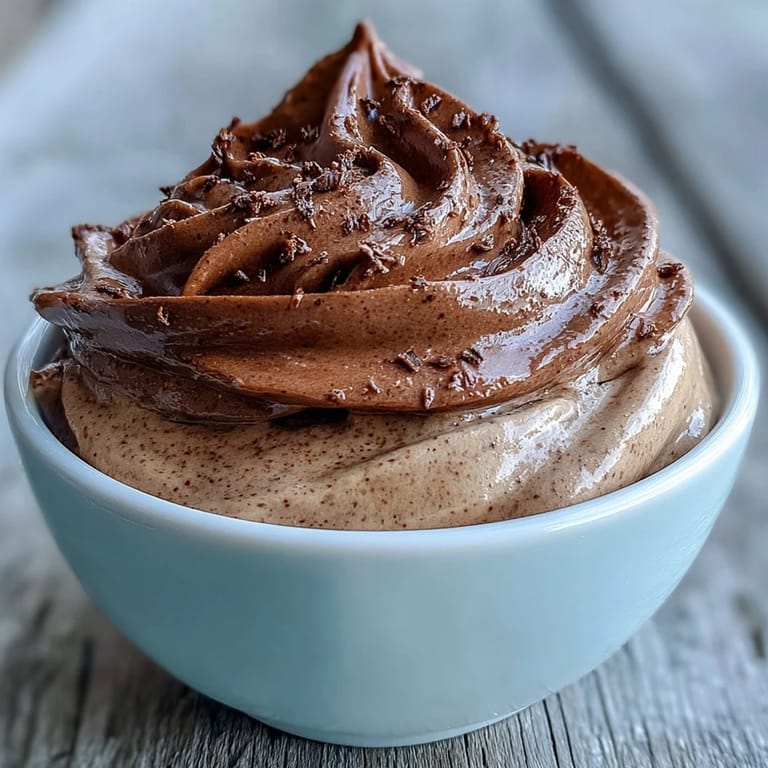
 There's a moment when you first taste this cream where everything clicks—the gentle warmth of the tea, the sweetness pulling back just enough, the silkiness coating your tongue. That's when you realize you've made something that tastes like craftsmanship, like care.
The Story Behind Hojicha in Pastry
Hojicha is roasted green tea, and that roasting process transforms it into something mellower and less grassy than its unroasted cousins. When you bring that into French pastry technique, you're creating a bridge between two culinary traditions that don't normally meet. The result feels effortless, as if hojicha custard has always belonged in cream puffs and éclairs.
How to Use This Cream
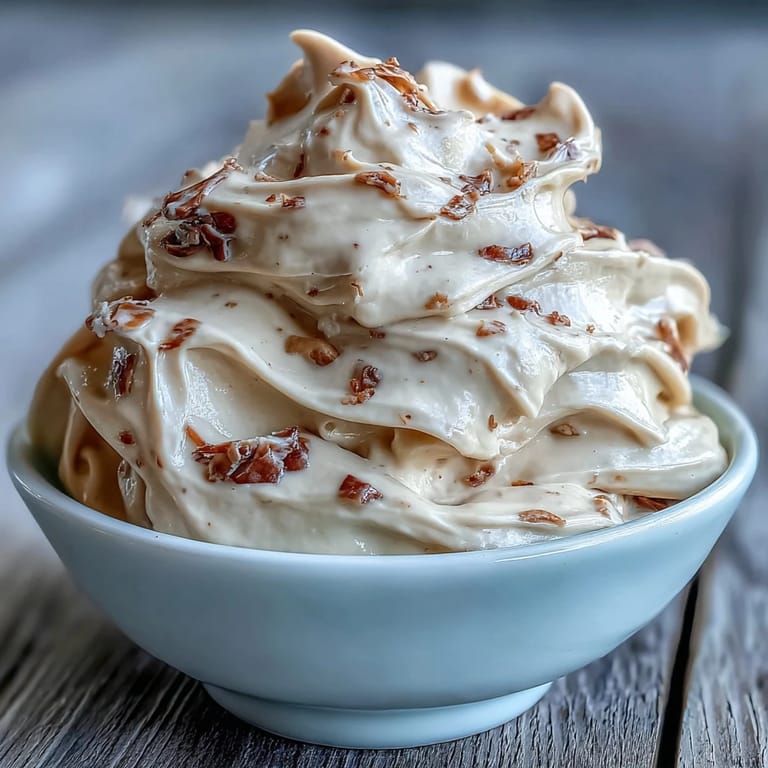
Pipe this into choux pastry for éclairs or cream puffs, layer it in cakes with delicate sponge, or even dollop it onto fresh fruit for an elegant dessert. The pastry cream's neutral sweetness lets the hojicha star without competing flavors getting in the way. I've also folded in whipped cream to make it lighter—perfect for when you want something less heavy but still impressive.
Storage and Make-Ahead Wisdom
This pastry cream keeps beautifully in the refrigerator for up to 3 days when properly covered, so you can make it in advance and assemble your desserts when you're ready. It doesn't freeze as well as you might hope—the texture becomes grainy—so treat it as a fresh component best used within a few days. A final thought: hojicha powder works too if you can't find loose leaf, but use only 2 teaspoons and whisk it directly into the warm milk for even distribution.
- Always whisk the chilled cream briefly before using to restore its silky texture and break up any separation.
- If your cream is too thick after chilling, whisk in a tablespoon of milk at a time to reach the right piping consistency.
- Pair this with matcha or yuzu flavored elements if you want to lean into the Japanese theme even more deeply.
 Pin it
 This cream reminds me that sometimes the most elegant flavors come from unexpected combinations. Once you've made it once, you'll find yourself reaching for hojicha again and again.
Recipe FAQ
- → What makes hojicha different from other tea varieties?
Hojicha is roasted Japanese green tea with reddish-brown leaves and a distinctive toasted, nutty profile. Unlike steamed green teas, the roasting process reduces bitterness and creates mellow, caramel-like notes that pair beautifully with dairy-based custards.
- → Can I make this in advance?
Absolutely. Press plastic wrap directly onto the surface and refrigerate for up to 3 days. The flavors actually deepen overnight. Before using, give it a quick whisk to restore smoothness.
- → What if I can't find loose leaf hojicha?
Hojicha tea bags work perfectly—use 3 standard bags. Alternatively, hojicha powder (2 teaspoons) can be whisked directly into the milk without straining, though this may create a slightly speckled appearance.
- → Why did my custard turn lumpy?
Lumps usually form from overcooking or inadequate whisking during tempering. Ensure constant whisking when incorporating warm milk into eggs, and cook only until thickened with visible bubbles. For emergency rescue, press through a fine sieve while warm.
- → Can I freeze hojicha pastry cream?
Freezing isn't recommended as the texture can become grainy upon thawing. The high egg yolk and cornstarch content don't handle freezing well. For best results, store in the refrigerator and use within 3 days.
- → What desserts pair best with this filling?
Classic choices include cream puffs, éclairs, and choux rings. It also shines as a layer in cakes, filling for tart shells, or folded into whipped cream for a lighter mousse. The smoky notes complement vanilla sponge and white chocolate especially well.