 Pin it
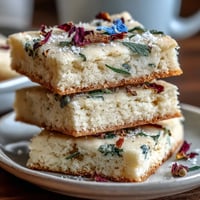
 My neighbor casually mentioned she'd foraged dandelion petals from her garden, and something about their golden color sparked this idea during a particularly gray April morning. I'd never baked with flowers before, but the thought of edible petals swirled into tender scones felt like capturing springtime itself in a bite. That first batch came out warm and fragrant, and watching someone's face light up when they tasted honey and dandelion together was worth every minute in the kitchen. It became our go-to brunch centerpiece, the kind of dish that makes people linger at the table longer than they planned.
I brought these to a friends' potluck last May, nervous about whether anyone would actually eat a flower-filled baked good. By the time I turned around, there was only one scone left on the platter, and three people were already asking for the recipe. That moment taught me something about trusting unexpected ingredient combinations—sometimes the things that sound unusual are exactly what people didn't know they were craving.
Ingredients
- All-purpose flour (2 cups): The foundation that keeps your scones tender rather than tough—resist the urge to overwork it once the wet ingredients arrive.
- Granulated sugar (1/4 cup): Just enough sweetness to balance the slight bitterness of the dandelion petals without making these taste like dessert.
- Baking powder (1 tbsp): Your lift mechanism that creates those characteristic flaky layers and gentle rise.
- Fine sea salt (1/2 tsp): A pinch that rounds out flavors and makes the honey taste even more like honey.
- Unsalted butter, cold and cubed (1/2 cup): Cold butter is non-negotiable here—it creates pockets that turn into steam pockets that make scones light and airy instead of dense.
- Whole milk, cold (2/3 cup): The liquid that brings everything together; keep it chilled so you don't melt the butter before it's time.
- Fresh dandelion petals, yellow parts only (2 tbsp wet, 2 tbsp garnish): Source from pesticide-free gardens or lawns you trust completely—these are the soul of the recipe, so quality matters.
- Honey (2 tbsp in dough, 1 tbsp drizzle): Adds moisture and a subtle floral sweetness that amplifies the dandelion flavor in ways sugar alone cannot.
- Large egg (1): The binder that holds everything together while contributing to a golden crust.
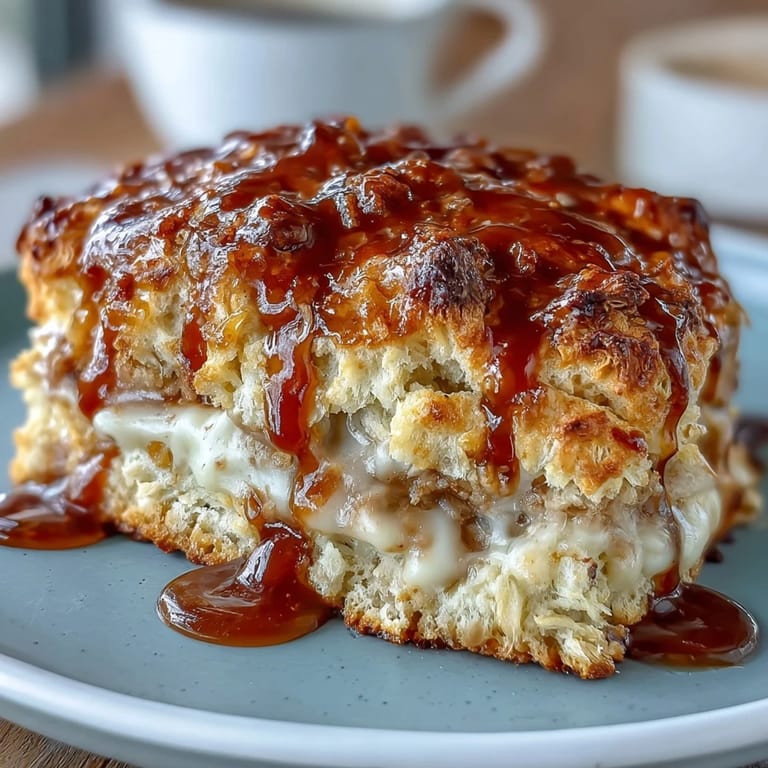
- Clotted cream (to serve): Rich, tangy, and absolutely essential—it's the reason these scones exist as a brunch dish rather than just breakfast.
Tired of Takeout? 🥡
Get 10 meals you can make faster than delivery arrives. Seriously.
One email. No spam. Unsubscribe anytime.
Instructions
- Heat your oven and prepare:
- Set your oven to 400°F and line a baking sheet with parchment paper so your finished scones won't stick or brown too hard on the bottom. This prep takes 2 minutes but saves you frustration later.
- Mix your dry base:
- Whisk flour, sugar, baking powder, and salt together in a large bowl, breaking up any lumps so everything distributes evenly. You're building the structure that will hold your scones tender.
- Cut in the cold butter:
- Use a pastry cutter, two knives, or your fingertips to work the cold butter into the flour until it looks like coarse breadcrumbs with some pea-sized bits remaining. Those little butter pieces are what steam and create flaky layers, so don't overthink this step—speed and cold temperature matter more than perfection.
- Combine your wet mixture:
- In a separate bowl, whisk together cold milk, honey, egg, and the dandelion petals until the petals are evenly distributed. This is where the flavor begins, so take a moment to make sure the petals aren't clumped.
- Bring wet and dry together gently:
- Pour the wet mixture into the dry ingredients and stir with a fork until just combined—lumps are your friend here, overworked dough is your enemy. Stop stirring the moment you don't see dry flour anymore; resist the urge to make it smooth.
- Shape your scones:
- Turn the shaggy dough onto a lightly floured surface and gently pat (don't knead) it into a 1-inch-thick round, then cut it into 8 wedges like you're slicing pizza. Transfer each wedge to your prepared baking sheet with enough space that steam can flow around them.
- Bake until golden:
- Bake for 16 to 18 minutes, watching for a light golden brown color and a slight puff that tells you they're done. Overbaking makes scones dry, so trust the color more than the clock.
- Finish and serve:
- Let them cool for just a minute, then drizzle with honey and scatter fresh dandelion petals on top while they're still warm. Serve immediately with generous dollops of clotted cream and watch people's faces when they realize flowers taste this good.
 Pin it
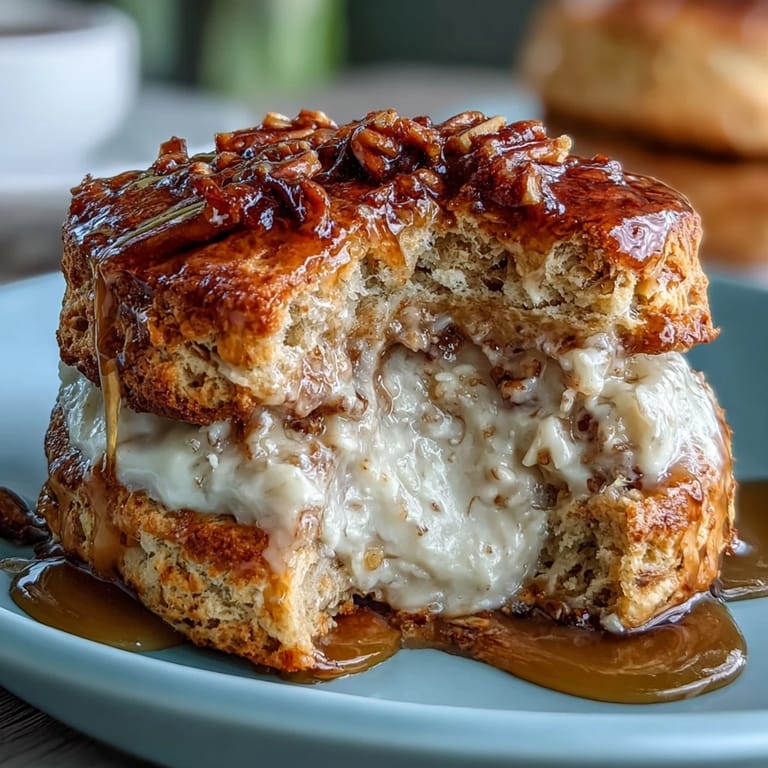
 There's something that happens when you sit at a table with warm scones, good cream, and people who matter—time moves differently, conversations meander, and suddenly it's two hours later and nobody's in a rush to leave. These scones became the excuse we all needed to slow down on a Sunday morning.
The Dandelion Question
The first time someone asked me if dandelions were actually edible, I realized how little most of us think about the plants growing right in front of us. Dandelion petals have a subtle, slightly grassy floral note that's nothing like the bitterness of the greens—they're delicate, almost fruity when baked with honey. Once you taste them in a scone, they stop being a yard weed and start being an ingredient you actually seek out.
Why Clotted Cream Changes Everything
Whipped cream and clotted cream are not the same thing, and this recipe reveals why—clotted cream has weight and richness that sits on top of a warm scone without collapsing into it, while its tanginess plays beautifully against honey and floral notes. If you can't find clotted cream locally, mascarpone is a decent backup, though it's sweeter. The moment cream and scone and honey meet in your mouth is when you understand why people get excited about brunch.
Timing and Storage Tips
These scones are genuinely best the day they're baked—the texture stays soft and the honey keeps everything moist for hours. If you're making them ahead, bake them in the morning and reharm them gently in a 300°F oven for 5 minutes to restore that just-baked warmth. Store in an airtight container and they'll keep for two days, though they fade a bit by day three.
- Make sure all your ingredients are cold before you start—pull butter and milk from the fridge just before using them.
- If your dandelion petals are wet from washing, pat them dry with a paper towel so they don't add extra moisture to your dough.
- Serve scones within an hour of baking for the best texture, but they'll still taste wonderful later in the day if you reheat them briefly.
 Pin it
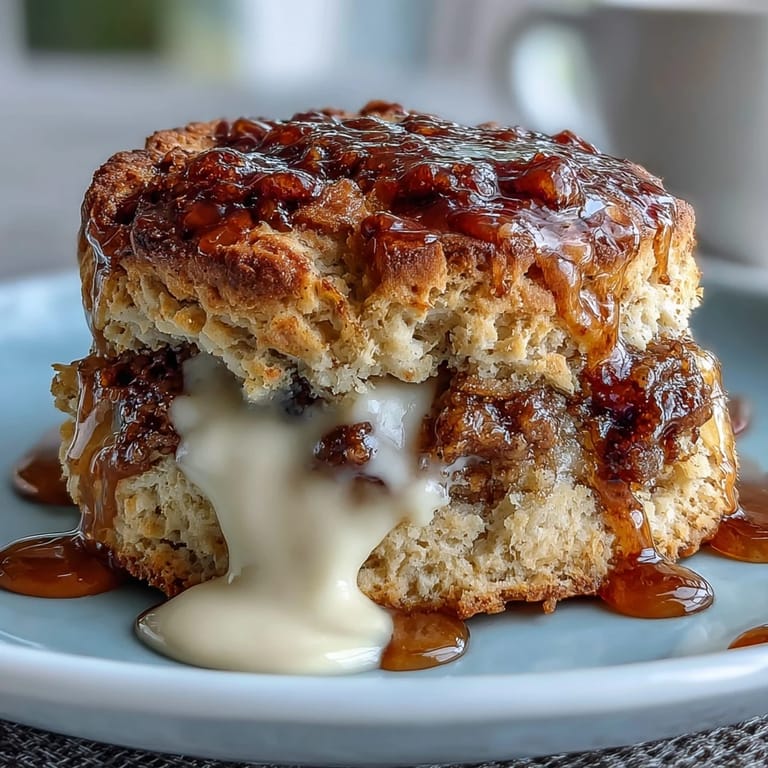
 There's something magical about turning spring flowers into breakfast, and these scones remind me why I love cooking in the first place. Make these for someone you want to impress, or better yet, make them for yourself and take the time to sit down and actually taste them.
Recipe FAQ
- → What gives these scones their floral flavor?
Fresh dandelion petals are incorporated into the dough, adding a subtle floral aroma and delicate taste that complements the honey.
- → Can I substitute clotted cream?
Yes, whipped cream or mascarpone can be used as alternatives to add rich creaminess when serving.
- → How should the dough be handled to keep it tender?
Mix the wet and dry ingredients gently and avoid overworking the dough to ensure a light, flaky texture.
- → Are these scones best eaten immediately?
They are freshest and most tender when enjoyed the day they are baked but can be lightly warmed if kept longer.
- → What pairs well with these scones?
Floral white teas or light sparkling wines enhance the delicate flavors and make a festive pairing.