 Pin it
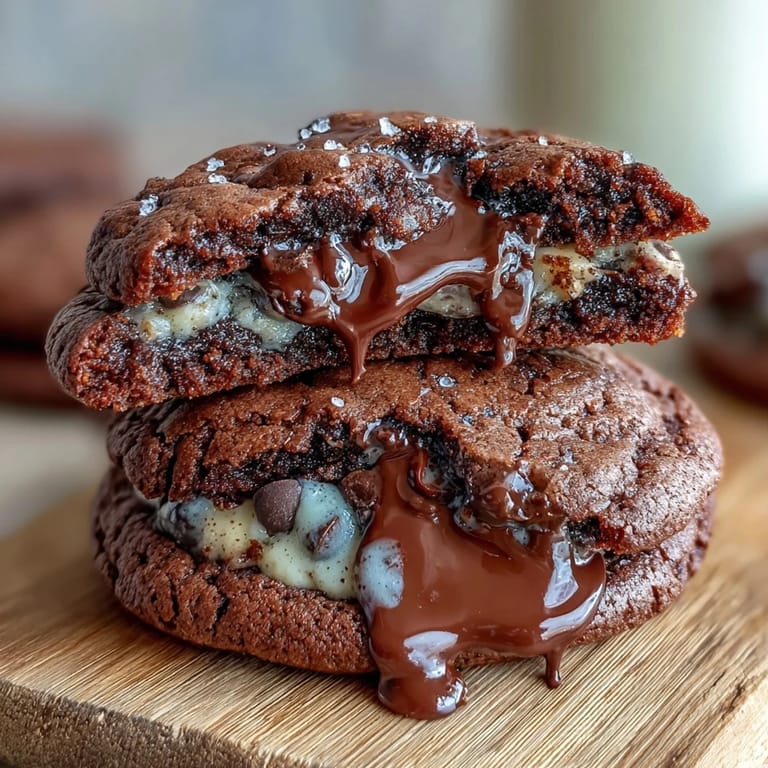
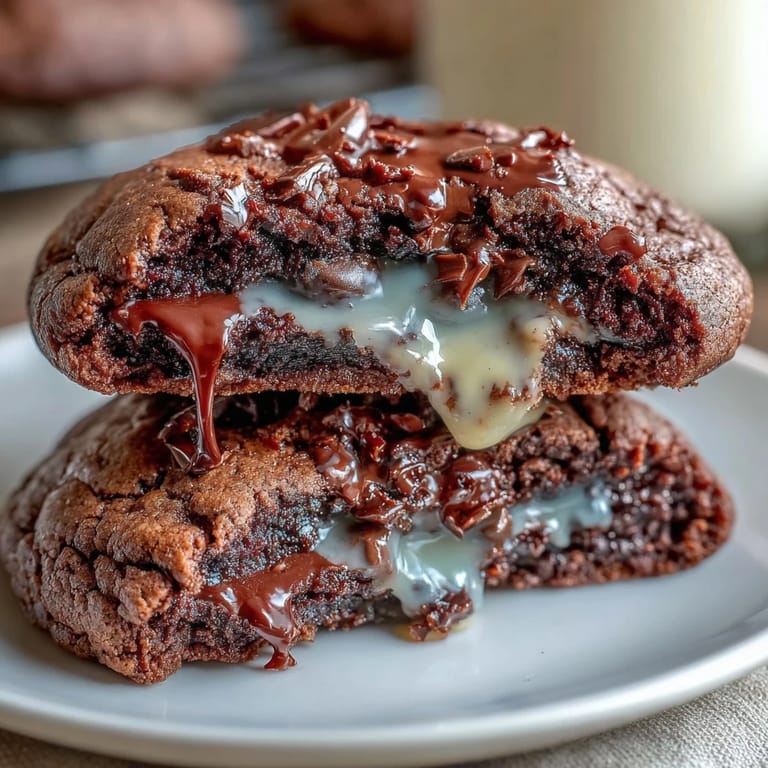
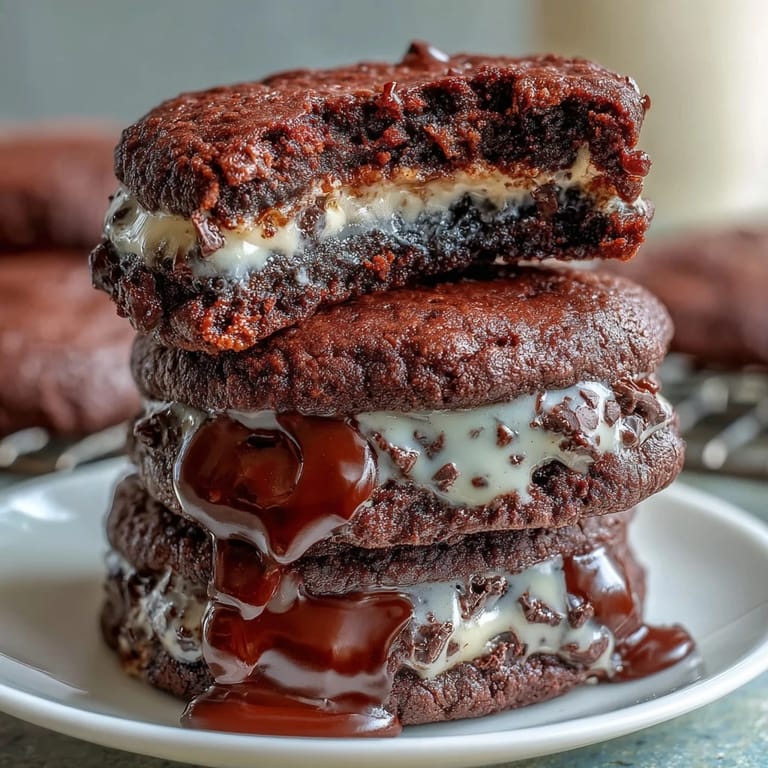
 There's something about dark chocolate that makes you feel like you're getting away with something delicious, and these cookies capture that exact feeling. I stumbled upon the idea for them while reorganizing my pantry on a rainy afternoon, spotting both cocoa powder and vanilla extract lined up like they'd been waiting to meet. The combination reminded me of the Shadow Milk Cookie's mysterious appeal—rich, slightly dark, with this creamy vanilla undertone that shouldn't work but absolutely does. What started as an experiment became the cookies I now make whenever I need something that feels both indulgent and comforting.
I made these for my neighbor last fall when she brought over her famous apple cider, and we ended up sitting on the porch longer than expected, dunking cookies into coffee and talking about nothing important. She asked for the recipe immediately, but what really got me was how she described the flavor—not as chocolate cookies, but as something that tasted like a moment worth keeping. That's when I knew these weren't just cookies; they were a way to make ordinary days feel a little more intentional.
Ingredients
- All-purpose flour (1 3/4 cups): This is your foundation, and measuring by weight if you can makes a real difference in consistency from batch to batch.
- Dutch-process cocoa powder (1/2 cup): The darker, richer cousin of regular cocoa—it gives these cookies their sophisticated color and that subtle, almost wine-like depth.
- Baking soda (1 tsp): Your leavening agent that helps the cookies puff up just enough to stay tender inside.
- Fine sea salt (1/2 tsp): Salt might seem like a small detail, but it amplifies the chocolate flavor and keeps things from tasting one-dimensional.
- Unsalted butter (3/4 cup): Room temperature is non-negotiable here—cold butter won't cream properly and you'll lose that fluffy texture.
- Dark brown sugar (1 cup) and granulated sugar (1/2 cup): The brown sugar brings moisture and a subtle molasses note, while the granulated sugar helps with structure.
- Large eggs (2), room temperature: Cold eggs resist mixing in properly; let them sit out for twenty minutes and your dough will thank you.
- Pure vanilla extract (2 tsp) and almond extract (1/2 tsp optional): The vanilla is essential, but that almond extract adds a whisper of complexity that makes people wonder what they're tasting.
- Dark chocolate chunks (1 1/4 cups, 70% cocoa): Quality matters here more than anywhere else—the chocolate is half the flavor story.
- Whole milk (1/2 cup): This is the secret ingredient that keeps the dough tender and slightly moist, creating that signature chewiness.
- White chocolate chips (1/2 cup): They melt into creamy pockets and echo the vanilla theme without overpowering the dark chocolate.
Tired of Takeout? 🥡
Get 10 meals you can make faster than delivery arrives. Seriously.
One email. No spam. Unsubscribe anytime.
Instructions
- Get your oven ready and prepare your stage:
- Preheat to 350°F and line your baking sheets with parchment paper—this takes three minutes but prevents the kind of cookie-bottom-stuck-to-pan situation that ruins your day. Think of it as an investment in future happiness.
- Build your dry mixture:
- Whisk together flour, cocoa powder, baking soda, and salt in a medium bowl, making sure everything is evenly distributed so you don't end up with pockets of unmixed baking soda. Set it aside and forget about it for a moment.
- Cream the butter and sugars:
- In a large bowl, beat softened butter with both sugars for two to three minutes until the mixture looks lighter in color and fluffy enough to sink a finger into. This is where you're incorporating air, which becomes the structure of your cookies.
- Add the eggs one at a time:
- After each egg, beat well to fully incorporate it before adding the next one, then mix in your vanilla and almond extracts. Listen for the mixer to sound less loud as the mixture becomes more unified.
- Alternate wet and dry ingredients carefully:
- On low speed, add a third of the dry mixture, then half the milk, then another third of the dry mixture, then the remaining milk, then the final third of dry mixture—this prevents overmixing and keeps your cookies tender. Stop the mixer as soon as you see no flour streaks.
- Fold in your chocolate treasures:
- Using a spatula, gently fold in the dark chocolate chunks and white chocolate chips by hand so you don't overwork the dough. This is also where you can admire how the dark and white chocolate look together.
- Portion your dough:
- Scoop about two tablespoons of dough per cookie onto your prepared sheets, spacing them two inches apart because they'll spread as they bake. If your cookie scoop has a release button, use it—it makes life easier.
- Bake until edges are set but centers aren't:
- Bake for eleven to thirteen minutes, watching until the edges look dry and set but the very center still looks slightly soft and puffy. The cookies will continue cooking on the hot sheet after you pull them out.
- Cool with intention:
- Let them rest on the baking sheet for five minutes before moving them to a wire rack, which gives them time to firm up just enough to transfer without cracking. This patience pays off.
 Pin it
 There was this one morning when I pulled a batch out of the oven and the entire kitchen smelled like some impossible combination of chocolate shop and vanilla dream, and my teenager came downstairs asking what I'd done differently. I hadn't done anything differently, but somehow that particular batch tasted like home in a way that made me realize certain foods carry their own kind of honesty. Now whenever I make them, I think about that moment and how the simplest things can feel like small victories.
The Dark Chocolate and Vanilla Connection
Dark chocolate and vanilla seem like they shouldn't work together, but they're actually partners in crime—the chocolate's slight bitterness needs the vanilla's warmth to feel complete. In these cookies, the vanilla extract isn't trying to make the chocolate sweeter; it's deepening it, making it more interesting. When you taste the finished cookie, you're not tasting chocolate and vanilla separately; you're tasting something more sophisticated that neither ingredient could create alone.
Why the Milk Matters
Most chocolate cookie recipes don't include liquid like milk, which is exactly why these feel different the moment you bite into one. The milk keeps the dough from drying out while it bakes, preserving that tender, chewy center that makes people ask for the recipe. It's one of those small choices that proves how much impact tiny adjustments can make in baking.
Storage and Second-Day Magic
These cookies actually improve after a day or two as the flavors meld together and the texture softens slightly in an airtight container. If you store them layered with parchment paper, they'll stay fresh for up to a week, though they rarely last that long in my house. Here's what I've learned about keeping them at their best.
- Keep them in an airtight container away from other strong flavors, because chocolate cookies are absorbers and will pick up anything nearby.
- If they start to firm up, placing a piece of bread in the container overnight will rehydrate them beautifully without making them soggy.
- These freeze wonderfully for up to three months, so baking a double batch and freezing half means you always have homemade cookies ready when you need them most.
 Pin it
 These cookies have become my answer to so many moments—when I need something to bring to a gathering, when I want to feel like I've accomplished something in the kitchen, or when I just need a reason to sit with someone and talk over something that tastes good. They're proof that the best recipes are the ones that fit naturally into real life.
Recipe FAQ
- → What type of chocolate works best?
Use 70% cocoa dark chocolate chunks for intense flavor, balanced by white chocolate chips for sweetness.
- → How can I make these dairy-free?
Substitute whole milk with plant-based alternatives and choose vegan chocolate to keep these dairy-free.
- → Why add flaky sea salt on top?
The flaky sea salt enhances the cookie's richness by providing a delicate savory contrast to the sweetness.
- → How should cookies be stored?
Store in an airtight container at room temperature for up to 5 days to maintain freshness and texture.
- → Can almond extract be omitted?
Yes, almond extract is optional and adds depth, but the cookies remain flavorful without it.
- → What makes the texture chewy?
The combination of brown sugar and careful mixing results in a soft, chewy texture with tender edges.