 Pin it
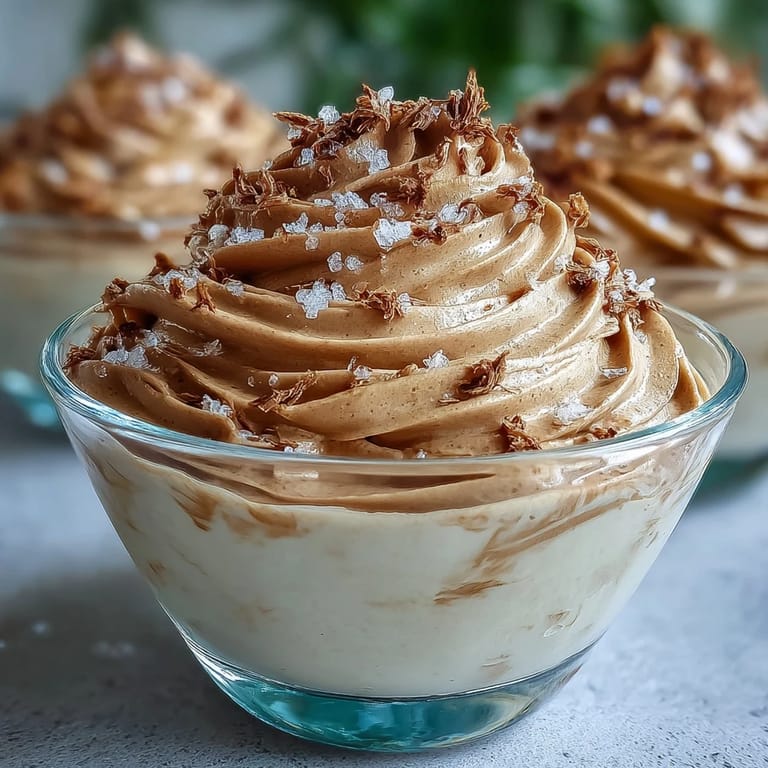
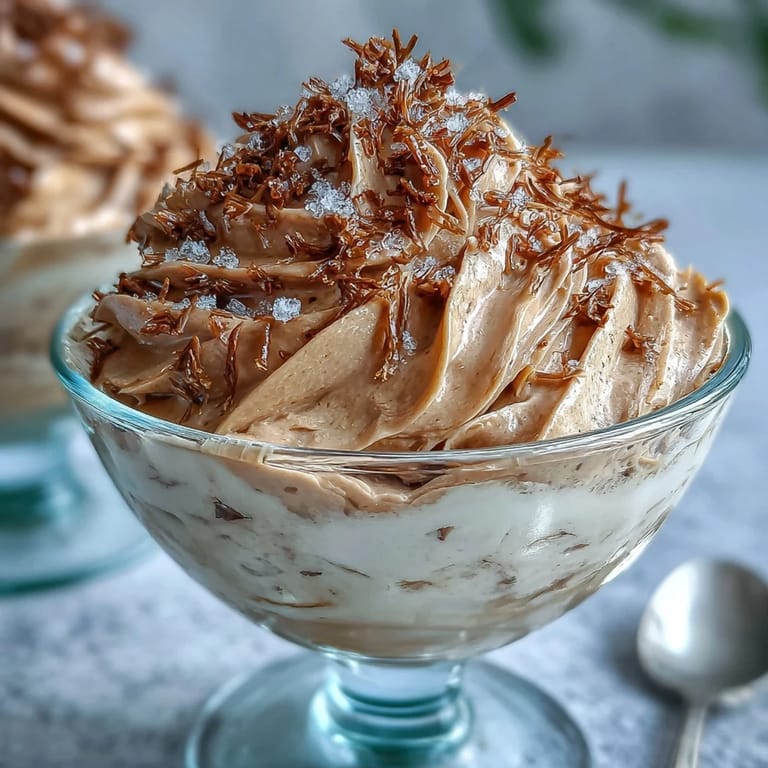
 There's something almost meditative about watching hojicha tea leaves unfurl in warm milk, their earthy warmth filling the kitchen with a scent that feels both familiar and somehow new every time. I discovered this mousse while standing in a small Tokyo café on a rainy afternoon, watching the pastry chef fold clouds of egg white into a glossy tea base with the kind of patient precision that made it look effortless. What struck me most wasn't the sophistication of the technique, but how light and delicate the final spoonful felt on my tongue, nothing like the heavy desserts I'd been making at home. That moment sparked an obsession to recreate it, and after a few experiments, I landed on this version that captures that same ethereal quality without any fuss.
I made this for my sister the night before her big presentation, thinking a homemade dessert might calm her nerves. She sat at the kitchen counter, watching me fold the egg whites, and something about that quiet moment—just the two of us, the gentle sounds of the kitchen, the aroma of toasted tea filling the room—turned into one of those unexpected conversations where everything feels like it matters. She came back after her presentation, spoon in hand, and we finished the whole batch together while she told me how it went.
Ingredients
- Hojicha tea leaves: Use a high-quality roasted green tea for that distinctly warm, slightly nutty flavor that doesn't taste bitter or overly grassy.
- Whole milk: The fat content helps carry the tea's subtle flavors and creates richness without cream.
- Eggs, separated: Make sure they're truly at room temperature and completely free of any yolk in the whites, or your peaks won't form properly.
- Granulated sugar: Split between the yolks and whites so the yolk mixture thickens properly and the whites achieve that glossy finish.
- Vanilla extract: Just a teaspoon balances the earthiness of the hojicha without overpowering it.
- Cornstarch: This is your friend for preventing scrambled eggs in the bain-marie and creating a silky base texture.
- Powdered gelatin: Bloom it first so it dissolves evenly and the mousse sets without any grainy texture.
- Toasted hojicha tea leaves or cocoa nibs for garnish: These add visual appeal and a final flavor reminder, though they're completely optional.
Tired of Takeout? 🥡
Get 10 meals you can make faster than delivery arrives. Seriously.
One email. No spam. Unsubscribe anytime.
Instructions
- Brew the hojicha infusion:
- Pour hot milk over the tea leaves and let them steep covered for exactly 10 minutes, then strain through a fine mesh. The longer steeping pulls out that deep, complex roasted character without releasing any bitterness.
- Bloom the gelatin:
- Sprinkle it over cold water and wait five minutes until it looks like a sponge, then you're ready to dissolve it into the hot mixture.
- Build the custard base:
- Whisk your egg yolks with half the sugar and cornstarch until the mixture turns pale and thick, then slowly stream in the warm hojicha milk while whisking constantly. This gradual approach prevents the eggs from scrambling and keeps everything smooth.
- Cook over gentle heat:
- Set your bowl over simmering water and whisk steadily for three to five minutes until the mixture coats the back of a spoon and feels thicker. You want to hear the gentle splash of water beneath, not aggressive boiling.
- Dissolve the gelatin:
- Remove from heat and stir the bloomed gelatin into the hot custard until completely smooth, then add vanilla extract. Let the mixture cool to room temperature, stirring occasionally so a skin doesn't form on top.
- Whip the egg whites:
- In a completely clean bowl, beat the whites until soft peaks form, then gradually add the remaining sugar while beating until you have glossy, stiff peaks that stand straight up. This takes patience but creates the magic that makes the mousse light.
- Fold gently:
- Add the egg whites to the cooled hojicha mixture in three additions, using a rubber spatula and folding from the bottom up with minimal motion. Over-stirring deflates all that air you just incorporated and turns your mousse heavy.
- Chill to set:
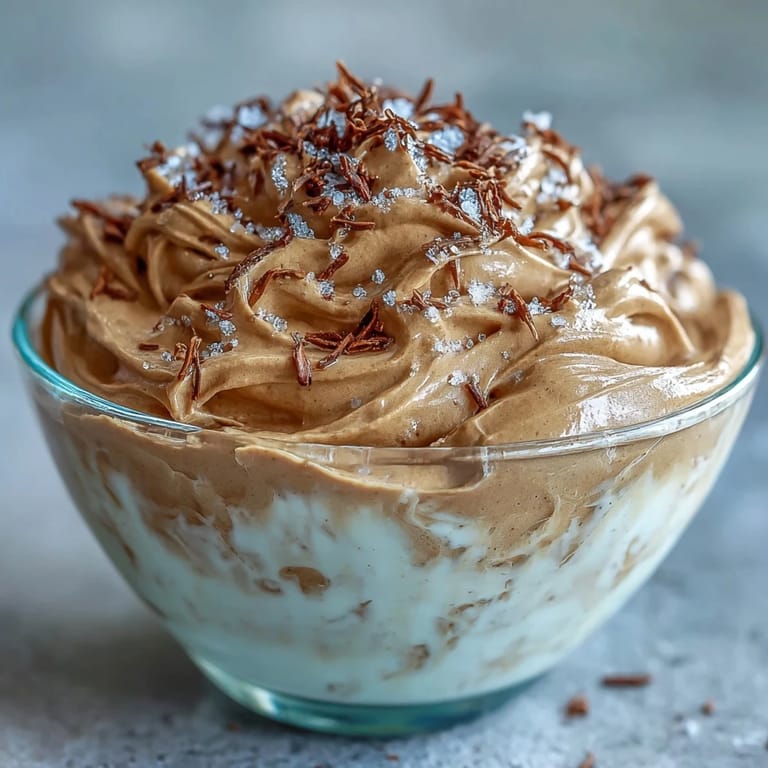
- Spoon into serving glasses or ramekins and refrigerate for at least two hours until the texture becomes firm but still soft to the spoon.
- Finish with optional garnish:
- Before serving, scatter a pinch of toasted hojicha leaves or cocoa nibs on top for both visual interest and a final flavor note.
 Pin it
 There was this moment, after the third time making it, when I finally stopped worrying about whether each step was perfect and started actually tasting what I was creating. That's when I noticed how the hojicha flavor deepens slightly as the mousse chills, becoming richer and more complex, like the dessert was still evolving in the refrigerator. It taught me that sometimes the best part happens after you think you're finished.
The Magic of Hojicha
Hojicha is roasted green tea, which might sound simple, but that roasting process transforms the entire flavor profile into something warm, almost like toasted grain with hints of caramel. Unlike regular green tea, it's less likely to turn bitter when steeped, which makes it perfect for delicate applications like mousse. Once you understand how roasting changes a tea, you start noticing that toasted quality in other dishes and suddenly your palate expands in unexpected directions.
Making It Dairy-Free
Swapping in oat or almond milk works beautifully because the mousse relies on the gelatin and egg white foam for structure, not on dairy fat. The flavor stays essentially the same, though oat milk gives it a slightly richer mouthfeel while almond milk keeps it lighter. I've made it both ways for friends with different dietary needs, and honestly, nobody could tell the difference in a blind taste test.
Serving and Pairings
This mousse is refined enough for dinner parties but simple enough for a quiet evening alone with a book. The earthiness of the hojicha pairs unexpectedly well with fresh berries, which add brightness and visual contrast, or you can lean into the Japanese theme and serve it alongside a delicate, floral sake. The key is not to overwhelm it since the whole point is celebrating how something so airy can still carry such distinct, memorable flavor.
- Fresh raspberries or strawberries provide a tart counterpoint that makes each spoonful feel more interesting.
- If you find the mousse too rich for you, remember that smaller portions served in delicate glasses make a huge impact.
- Make it a few hours ahead so you can relax when guests arrive, knowing everything is already chilled and ready.
 Pin it
 This mousse taught me that restraint and simplicity can be more impressive than complication, and that the best desserts are the ones you keep thinking about long after finishing them. Once you master this technique, you'll find yourself playing with it—swapping in matcha or genmaicha, trying different garnishes, adjusting sweetness—because it's a canvas waiting for your own kitchen discoveries.
Recipe FAQ
- → What makes hojicha unique compared to other Japanese teas?
Hojicha stands apart from other Japanese teas because it's roasted over charcoal at high temperatures, which transforms the tea leaves from green to reddish-brown. This roasting process reduces bitterness and tannins while developing distinctive notes of caramel, toast, and subtle sweetness. The lower caffeine content makes hojicha an excellent choice for evening desserts, and its earthy, warm flavor profile pairs beautifully with creamy preparations like mousse.
- → Can I prepare this mousse ahead of time?
Absolutely! This mousse actually benefits from being prepared ahead, as the flavors develop and deepen during the chilling process. You can make it up to 24 hours before serving, though it's best enjoyed within 2-3 days for optimal texture. Keep it covered in the refrigerator to prevent absorption of other flavors. Wait to add any garnishes like toasted tea leaves or cocoa nibs until just before serving to maintain their crunch and visual appeal.
- → What's the purpose of separating the eggs in this recipe?
Separating eggs serves two crucial functions in this mousse. The yolks create a rich, creamy custard base that carries the hojicha flavor and provides structure when combined with gelatin. Meanwhile, the whipped egg whites incorporate air into the mixture, creating that signature light, cloud-like texture. Folding the whipped whites carefully preserves the air bubbles, ensuring the mousse remains airy rather than dense. This technique eliminates the need for heavy cream while still achieving luxurious results.
- → Is there a vegetarian alternative to gelatin?
Yes, you can substitute the powdered gelatin with agar-agar, a plant-based gelling agent derived from seaweed that's commonly used in Japanese desserts. Use approximately 1 teaspoon of agar-agar powder for every 2 teaspoons of gelatin called for in the recipe. Note that agar-agar sets more firmly and at room temperature, so the final texture may be slightly different—still delicious, just with a bit more structure. Dissolve the agar-agar in the hot liquid during the cooking process rather than blooming it separately.
- → Why is my mousse not setting properly?
The most common reason for improper setting is under-whipping the egg whites—they must reach stiff glossy peaks to provide enough structure. Another issue could be not fully dissolving the gelatin, so ensure the mixture is hot enough when you incorporate it. Over-folding the egg whites can also deflate the mousse, preventing proper setting. Finally, make sure you're chilling for the full 2 hours minimum; this mousse needs time to firm up completely. If using larger serving dishes, you may need additional chilling time.
- → What beverages pair well with hojicha mousse?
The natural pairing is a cup of freshly brewed hojicha tea, which echoes and amplifies the dessert's flavors. For a more elevated experience, try a light, floral sake that won't overpower the delicate roasted notes. A dry sparkling wine or champagne provides lovely contrast with its effervescence cutting through the creamy texture. If you prefer non-alcoholic options, a plain sencha or even a simple cup of hot water with a splash of milk lets the hojicha shine without competing elements.