 Pin it
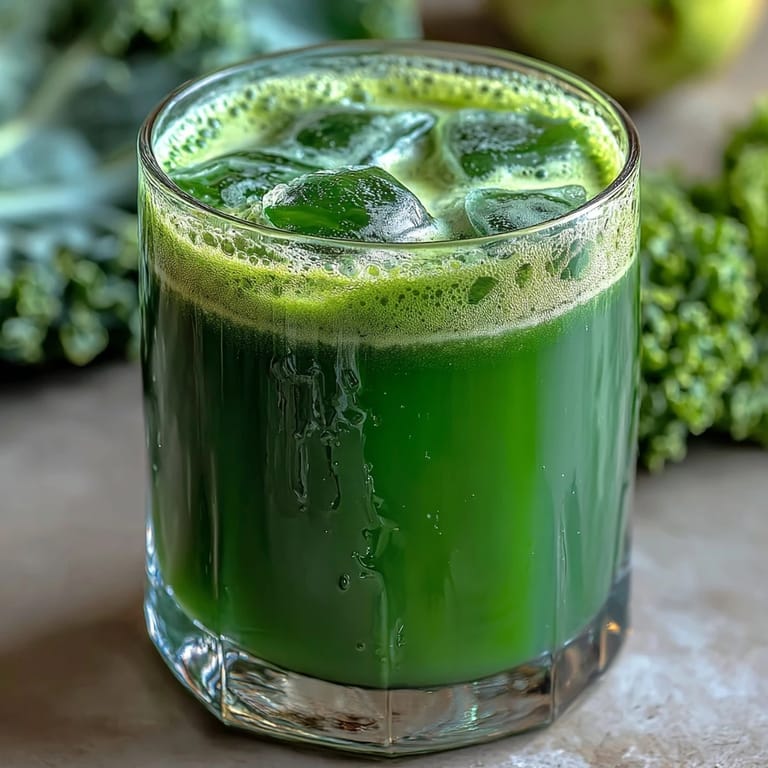
 My roommate brought home a juicer one Tuesday morning, announcing she'd finally committed to mornings that didn't start with coffee. Skeptical, I watched her toss cabbage and kale into that machine like she was conducting some kind of green experiment. The first sip caught me off guard—it wasn't the bitter punishment I expected, but something bright and alive, with ginger warming the back of my throat. That juice became our unspoken ritual, the one thing we'd make before rushing out the door.
I made this for my mom during her birthday weekend when she mentioned feeling sluggish and tired of heavy meals. She drank it standing at the kitchen counter, one hand on her hip, and actually said it tasted like something I'd serve at a fancy brunch instead of something that's basically compressed vegetables. That moment—when she asked for seconds—I realized this wasn't about punishment or trends, it was just good food that happened to be good for you.
Ingredients
- Green cabbage: This is your quiet powerhouse, packed with vitamin C and barely tastes like cabbage once the apple and lemon join the party.
- Kale leaves: Remove those tough stems or they'll make your blender sound angry—trust me on this one.
- Cucumber: Keep the peel on for extra nutrients, but peel it if your skin is sensitive or if you're using conventionally grown.
- Celery stalk: This gives the juice its clean, grounding quality and keeps things from being too sweet.
- Green apple: The secret ingredient that makes people ask what you're drinking because it actually smells good.
- Fresh lemon juice: Squeeze it yourself if possible—bottled just doesn't have the same brightness.
- Fresh ginger: One inch sounds small until you taste how much presence it adds, like the opening note in a song.
- Cold water: Only needed if you're blending instead of juicing, and keep it minimal to avoid watering down your work.
Tired of Takeout? 🥡
Get 10 meals you can make faster than delivery arrives. Seriously.
One email. No spam. Unsubscribe anytime.
Instructions
- Give everything a proper wash:
- Run cold water over every vegetable, paying extra attention to the kale because it loves hiding dirt in its wrinkles. Take your time here—dirty juice is never the vibe you're going for.
- Prep like you mean it:
- Chop everything roughly into sizes that'll fit through your juicer or blender feed. The more uniform your pieces, the faster and smoother everything processes.
- Juice method:
- Feed your vegetables through steadily, starting with the softer items and finishing with ginger so it pushes everything through. Stir the juice afterward because separation happens and that's normal.
- Blender method:
- Layer everything into the pitcher starting with greens, then harder vegetables, then fruit and ginger on top so the blades have an easier time. Blend on high until completely smooth, about 60 seconds, then strain if you want a silky texture or drink it chunky if you don't mind the fiber.
- Serve immediately:
- Over ice if you can, because this juice is at its peak within minutes of making it. Oxidation is real and will dull those beautiful bright flavors.
 Pin it
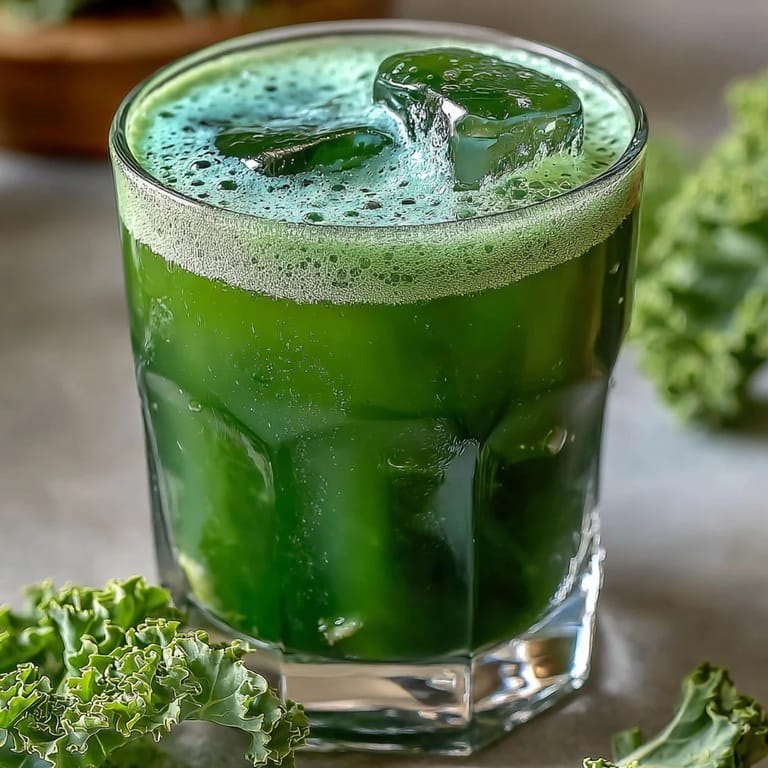
 My coworker brought this juice to a stressful Monday morning meeting, and something about holding something that green and vital made everyone's shoulders drop an inch lower. We passed it around, each person taking a sip, and for those few seconds the inbox didn't matter. Food doesn't always need to be about nutrition or wellness trends—sometimes it's just about pausing together.
Why Fresh Matters Here
Nutrients start breaking down the moment you finish juicing, which is why drinking this immediately isn't just food-blogger advice, it's actually how you get the most out of everything you just put in. If you need to make it ahead, keep it in an airtight container in the coldest part of your fridge and drink it within 24 hours, though it'll taste noticeably less vibrant by then. The longer it sits, the more oxidation happens, and that's chemistry we can't fight.
Adjusting to Your Taste
This recipe is a starting point, not a law—your taste buds are the authority here. Some mornings you'll want more ginger bite, other days you'll crave sweetness so you'll sneak in a ripe pear or extra apple. The lemon amount matters too, and I've found that starting conservatively and squeezing more in after the first sip is smarter than over-lemoning and having to add apple to compensate.
Making It Work for Your Setup
Whether you own a fancy cold-pressed juicer or just have a blender from 2015, you can make this—the machine doesn't define the juice, your commitment to using it does. Juicers give you a cleaner, more refined result with less fiber, while blenders keep everything intact and make you feel like you're getting more for your effort. If you're straining blended juice, a nut milk bag works better than a sieve because you can actually squeeze the liquid out instead of waiting forever.
- A cheap juicer is still better than no juicer if you're just starting out—upgrade later if it becomes a habit.
- If you only have a blender, embrace the texture and don't feel like you're doing it wrong.
- That leftover pulp from straining isn't trash, it's practically ready for compost or tomorrow's smoothie.
 Pin it
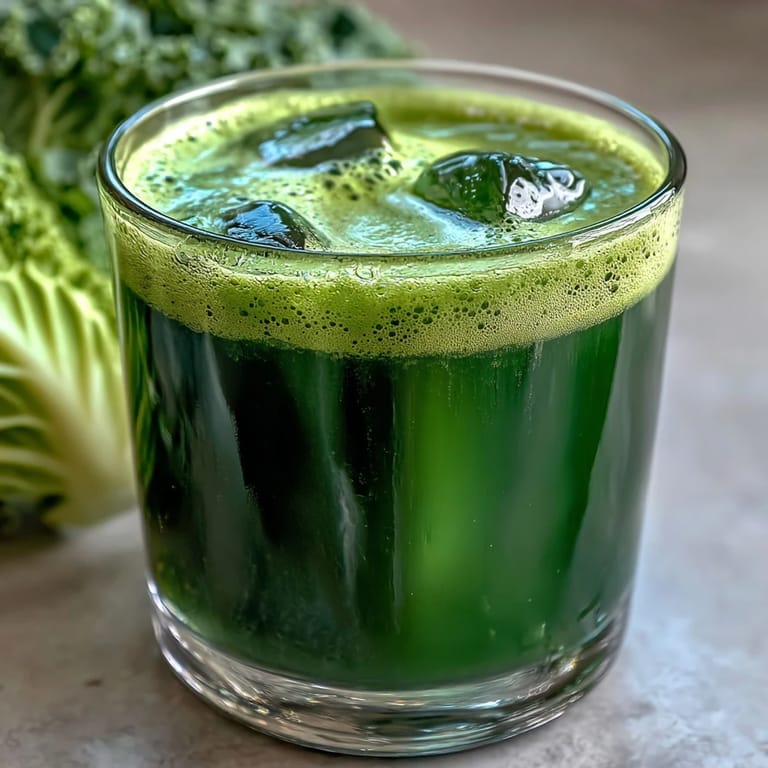
 This juice taught me that wellness doesn't have to taste like deprivation or feel like punishment, it just has to taste like something you actually want to drink. Make it, share it with someone, and notice how a simple green drink becomes part of how you start your day.
Recipe FAQ
- → What are the main health benefits of this green juice?
This green juice combines cruciferous vegetables rich in antioxidants and fiber, ginger known for its anti-inflammatory properties, and lemon packed with vitamin C. The blend supports natural detoxification, boosts immunity, and provides a quick energy boost without added sugars.
- → Can I make this without a juicer?
Yes, simply blend all ingredients with half a cup of cold water in a high-powered blender until smooth, then strain through a fine mesh sieve or nut milk bag. This method preserves more fiber while still delivering a smooth, drinkable consistency.
- → How long does this juice stay fresh?
For maximum nutrient retention and best flavor, drink immediately after preparation. If needed, store in an airtight container in the refrigerator for up to 24 hours, though some separation may occur. Shake well before consuming.
- → What can I do with the leftover pulp?
The leftover pulp can be added to smoothies for extra fiber, mixed into veggie burgers, used in baked goods like muffins, or simply composted. Some people also freeze it to add to soups and stews later.
- → Can I substitute other vegetables or fruits?
Yes, swap kale for spinach, replace cabbage with Swiss chard, or use pear instead of apple for different flavor profiles. The base vegetables can be adjusted based on seasonal availability or personal preference while maintaining the cleansing benefits.
- → Is this suitable for beginners to green juices?
This is an excellent starting point thanks to the natural sweetness from the green apple which balances the earthy greens. The ginger adds a pleasant zing while making the flavor more approachable for those new to fresh vegetable juices.