 Pin it
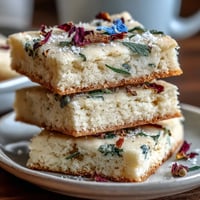
 I used to think scones were only meant to be sweet until a rainy Saturday morning changed everything. My friend showed up with a basket of warm cheddar scones from a bakery, and I couldn't stop eating them. The sharp cheese and flecks of green chive against that crumbly, buttery texture made me rethink breakfast entirely. I decided to figure out how to make them myself, and these scones became my new weekend ritual.
I made these for a brunch with my neighbors last spring, and they disappeared faster than anything else on the table. Someone asked if I'd trained at a bakery. I laughed and said no, just a lot of trial and error in my own kitchen. There's something about pulling a tray of golden scones from the oven that makes you feel like you've really accomplished something, even on a lazy Sunday.
Ingredients
- All-purpose flour: The foundation of the scone, providing structure without making them heavy or dense.
- Baking powder and baking soda: This duo gives the scones their signature rise and tender crumb.
- Cold unsalted butter: Keeping it cold is the secret to flaky layers, so cube it straight from the fridge.
- Sharp cheddar cheese: Use a block and grate it yourself for maximum flavor and melt.
- Buttermilk: Adds tang and keeps the texture moist, but you can fake it with milk and lemon juice in a pinch.
- Fresh chives: They bring a mild onion flavor and those beautiful green speckles throughout.
- Heavy cream: Brushing the tops before baking gives them a gorgeous golden sheen.
Tired of Takeout? 🥡
Get 10 meals you can make faster than delivery arrives. Seriously.
One email. No spam. Unsubscribe anytime.
Instructions
- Preheat and Prep:
- Set your oven to 400°F and line a baking sheet with parchment paper. This ensures even baking and easy cleanup.
- Mix the Dry Ingredients:
- Whisk together the flour, baking powder, baking soda, salt, and black pepper in a large bowl. The pepper adds a subtle warmth that balances the richness of the cheese.
- Cut in the Butter:
- Add your cold, cubed butter and work it into the flour using a pastry cutter or your fingertips. You want pea-sized crumbs, not a smooth paste.
- Fold in Cheese and Chives:
- Stir in the grated cheddar and chopped chives gently. Don't crush the butter bits you just created.
- Combine Wet Ingredients:
- Whisk the buttermilk and egg together in a small bowl, then pour into the dry mixture. Stir just until the dough comes together; overmixing makes tough scones.
- Shape the Dough:
- Turn the dough onto a floured surface and pat it into a 1-inch thick round. Use your hands, not a rolling pin, to keep it light.
- Cut and Arrange:
- Slice the round into 8 wedges and space them on your baking sheet. They'll puff up as they bake.
- Brush and Top:
- Brush each scone with heavy cream and sprinkle extra cheddar on top if you want a cheesy crust. It's optional, but I always do it.
- Bake Until Golden:
- Bake for 16 to 18 minutes until the tops are golden brown and the edges look crisp. Your kitchen will smell incredible.
- Cool Slightly:
- Let them rest for a few minutes before serving. They're best warm, when the cheese is still a little melty inside.
 Pin it
 The first time I brought these to a potluck, someone told me they tasted like the scones from a bakery she used to visit in England. I'd never been, but I took it as the highest compliment. These scones have a way of making ordinary mornings feel special, whether you're eating them alone with coffee or sharing them with a crowd.
Flavor Variations
If you want to change things up, try adding a pinch of cayenne pepper to the dry ingredients for a gentle kick. I've also swapped the chives for fresh thyme or rosemary when I'm in the mood for something more earthy. Once, I stirred in crumbled cooked bacon along with the cheese, and they were gone before they even cooled. You can also use different cheeses like Gruyère or aged white cheddar for a different flavor profile.
Serving Suggestions
These scones are incredible on their own, but I love serving them with whipped butter or a small bowl of crème fraîche. They're also perfect alongside scrambled eggs, a green salad, or a bowl of tomato soup. I once served them at a dinner party as a bread substitute, and people kept asking for the recipe. They're that versatile.
Storage and Reheating
You can store leftover scones in an airtight container at room temperature for up to two days. If you want to keep them longer, freeze them in a zip-top bag for up to three months. To reheat, pop them in a 300°F oven for about 10 minutes until warmed through. I've found that freezing them actually makes them taste fresher than leaving them out too long.
- Wrap each scone individually before freezing so you can grab just one or two at a time.
- Brush with a little melted butter after reheating for that fresh-baked feel.
- Don't microwave them unless you're in a rush, because they can get rubbery.
 Pin it
 There's something quietly satisfying about pulling a tray of homemade scones from the oven, especially when they turn out this good. I hope these become a staple in your kitchen the way they have in mine.
Recipe FAQ
- → What type of cheese is best for these scones?
Sharp cheddar is ideal as it provides a strong, tangy flavor that complements the tender crumb and fresh chives.
- → Can I substitute buttermilk in the mixture?
Yes, you can mix regular milk with a small amount of lemon juice or vinegar to mimic buttermilk's acidity and texture.
- → How do I achieve a flaky texture in the scones?
Use cold, cubed unsalted butter and gently cut it into the dry ingredients until crumbly, avoiding overmixing the dough.
- → What are good additions for extra flavor?
Try adding a pinch of cayenne or paprika for a subtle heat, or additional herbs for more aromatic notes.
- → How should these scones be served?
Serve warm with butter or a dollop of crème fraîche to enhance their rich, savory taste.