 Pin it
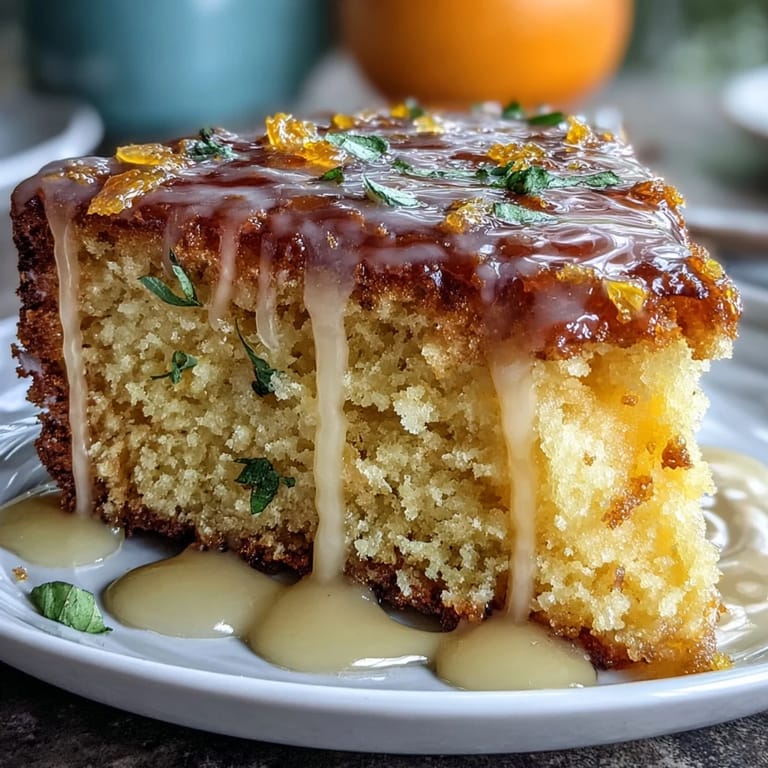
 My kitchen smelled like a citrus grove in winter the afternoon I first sliced into this cake. I'd been curious about blood oranges for weeks, their deep ruby flesh stacked in crates at the farmers market, and finally bought a bag on impulse. The cake came out golden with flecks of crimson zest, the icing dripping down the sides in glossy rivers. It tasted like sunshine trapped in yogurt and butter, tart and sweet all at once.
I baked this for a neighbor who'd just had surgery, thinking something bright and gentle would lift her spirits. She called two days later asking for the recipe, saying it was the first thing that tasted like joy in weeks. That's when I realized this cake does more than feed people. It shifts moods, softens hard days, and somehow makes a Tuesday feel like a celebration.
Ingredients
- All-purpose flour: The backbone of the crumb, giving structure without heaviness when you don't overmix the batter.
- Baking powder: This is what makes the cake rise tall and tender, so check the expiration date or it won't lift properly.
- Salt: Just a pinch balances the sweetness and makes the citrus flavors pop instead of fade.
- Plain Greek yogurt: Adds tangy richness and keeps the texture custardy, almost like cheesecake but lighter.
- Granulated sugar: Sweetens and helps create that golden crust on top as it bakes.
- Eggs: Room temperature eggs blend smoothly into the batter without curdling the yogurt.
- Blood orange zest: The oils in the zest carry the most intense citrus perfume, far more than juice alone.
- Blood orange juice: Freshly squeezed is key, bottled juice tastes flat and loses that floral edge.
- Vanilla extract: A quiet background note that rounds out the citrus without competing.
- Coconut oil: Melted and cooled, it adds moisture and a faint tropical whisper that complements the orange beautifully.
- Powdered sugar: Sifted so the icing stays silky and pourable, no lumps to ruin the glaze.
Tired of Takeout? 🥡
Get 10 meals you can make faster than delivery arrives. Seriously.
One email. No spam. Unsubscribe anytime.
Instructions
- Prep Your Pan:
- Preheat the oven to 350°F and butter every corner of your loaf pan, then dust with flour or line with parchment for easy release. A well-prepped pan means no heartbreak when you try to unmold a perfect cake.
- Combine the Dry Mix:
- Whisk flour, baking powder, and salt in a medium bowl until evenly distributed. Set it aside while you work on the wet ingredients so everything stays organized.
- Blend Yogurt and Sugar:
- In a large bowl, whisk Greek yogurt and sugar together until the mixture looks creamy and the grains dissolve. This step aerates the batter slightly and ensures no pockets of sweetness.
- Add Eggs and Citrus:
- Whisk in eggs one at a time, then stir in blood orange zest, juice, and vanilla until the batter turns pale and fragrant. The kitchen will smell like a citrus orchard at this point.
- Fold in Dry Ingredients:
- Gently fold the flour mixture into the wet batter just until no streaks remain. Overmixing creates tunnels and a tough crumb, so stop as soon as it looks combined.
- Incorporate the Oil:
- Fold in the melted coconut oil slowly until it disappears into the batter. This keeps the cake tender and adds a subtle richness without weighing it down.
- Fill and Smooth:
- Pour the batter into your prepared pan and smooth the top with a spatula. A level surface helps it bake evenly and look polished when sliced.
- Bake Until Golden:
- Bake for 50 minutes, checking with a toothpick inserted in the center until it comes out clean or with just a few moist crumbs. The top should be golden and spring back when touched.
- Cool in Stages:
- Let the cake rest in the pan for 10 minutes to firm up, then turn it out onto a wire rack to cool completely. Icing a warm cake will melt into a puddle instead of a glaze.
- Make the Icing:
- Whisk powdered sugar, blood orange juice, and zest until smooth and pourable, adjusting juice for thickness. The icing should drip slowly off a spoon, not run like water.
- Glaze and Set:
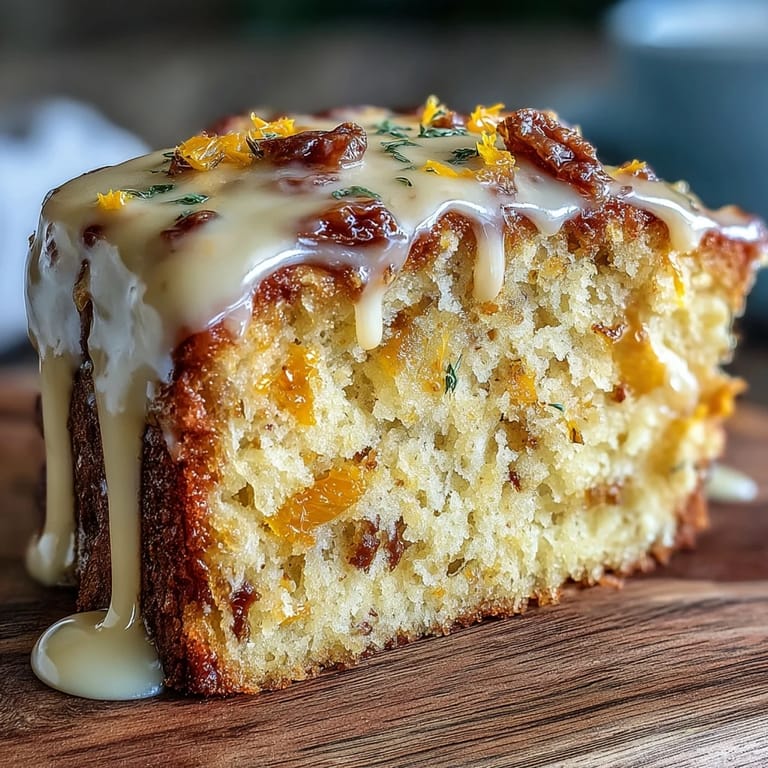
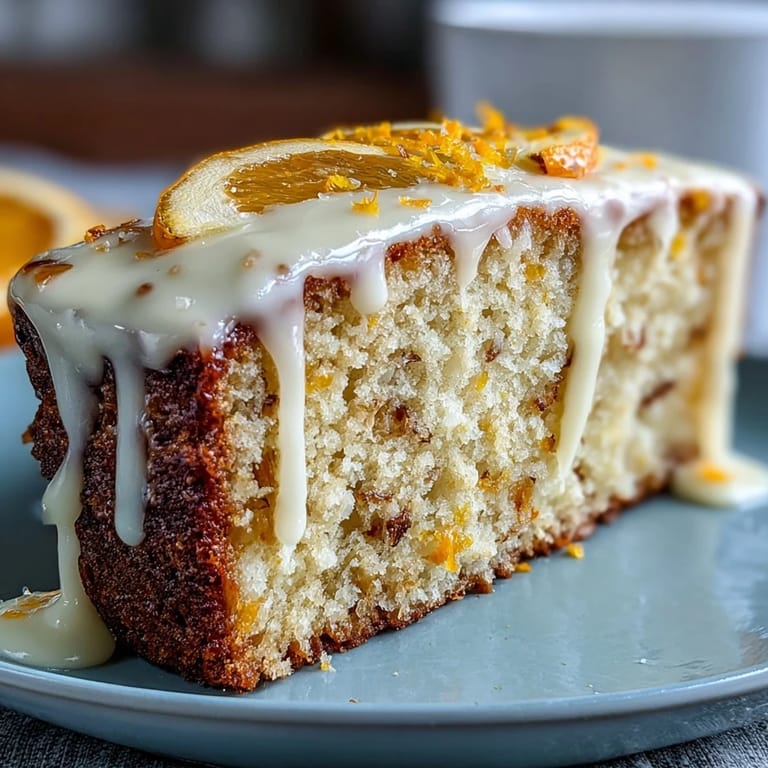
- Drizzle the icing over the cooled cake, letting it cascade down the sides naturally. Let it set for at least 20 minutes so it firms up into a glossy shell before slicing.
 Pin it
 One spring afternoon, I brought this cake to a potluck and watched people come back for seconds, quietly, without announcement. A friend later told me she'd never tasted blood orange before and didn't know citrus could be so complex. That moment reminded me why I love baking, it introduces people to flavors they didn't know they were missing.
Storing and Serving Suggestions
This cake holds up beautifully at room temperature for up to two days under a cake dome or covered loosely with foil. If your kitchen runs warm or you want to keep it longer, refrigerate it for up to five days, though the texture is dreamiest at room temp. Serve slices with fresh raspberries, a dollop of whipped cream, or just on their own with strong coffee. The icing stays glossy and the crumb stays tender, making it ideal for brunches, afternoon tea, or a quiet dessert after dinner.
Ingredient Swaps and Variations
If you can't find blood oranges, regular navel or Cara Cara oranges work well, though you'll lose that gorgeous crimson hue. Swap coconut oil for melted unsalted butter if you prefer a more traditional flavor, or try olive oil for a fruity, peppery note. For a dairy-free version, use coconut yogurt and ensure your icing uses plant-based powdered sugar. You can also fold in poppy seeds or chopped pistachios for texture, or add a tablespoon of limoncello to the batter for extra citrus punch.
Troubleshooting and Final Tips
If your cake sinks in the middle, your oven may have run too hot or you opened the door too early, letting the structure collapse. A dense, gummy crumb usually means overmixing or using cold ingredients that didn't emulsify properly. If the icing is too thick, add juice a teaspoon at a time until it flows smoothly, and if it's too thin, whisk in more powdered sugar gradually.
- Use a light hand when folding, the batter should look slightly lumpy before baking.
- Zest your oranges before juicing them, it's much easier and you won't waste any of those precious oils.
- Let the cake cool completely before icing or you'll end up with a sticky mess instead of a glossy finish.
 Pin it
 This cake has become my go-to whenever I want to feel like spring is possible, even in the middle of winter. I hope it brings you the same kind of quiet joy it's given me, one citrus-scented slice at a time.
Recipe FAQ
- → Can I use regular oranges instead of blood oranges?
Yes, you can substitute navel oranges or cara cara oranges. The flavor will be slightly less tart and the cake won't have the beautiful ruby-red color, but it will still be delicious.
- → How do I know when the cake is done baking?
Insert a toothpick into the center of the cake. If it comes out clean or with just a few moist crumbs, it's ready. The top should be golden brown and spring back when gently pressed.
- → Can I make this cake ahead of time?
Absolutely! The cake actually tastes better on day two as the flavors meld together. Store covered at room temperature for up to 2 days, adding the icing just before serving.
- → What can I use instead of coconut oil?
Melted unsalted butter works perfectly as a substitute. You can also use vegetable oil or melted extra virgin olive oil for a slightly different flavor profile.
- → Can I freeze this cake?
Yes, wrap the uniced cake tightly in plastic wrap and freeze for up to 3 months. Thaw overnight at room temperature, then add the icing before serving.
- → Why is my cake dense?
Overmixing the batter can cause a dense texture. Fold the dry ingredients gently until just combined—some small lumps are perfectly fine and will disappear during baking.