 Pin it
 My neighbor called me over one Saturday morning with a bottle of elderflower liqueur she'd picked up while traveling through France, asking what on earth to do with it. We stood in her kitchen with a bottle of champagne already chilling and a carton of guava nectar in the fridge, and suddenly we weren't making ordinary mimosas anymore. That first sip—the floral notes dancing with tropical sweetness—felt like opening a window to somewhere sunny and sophisticated all at once.
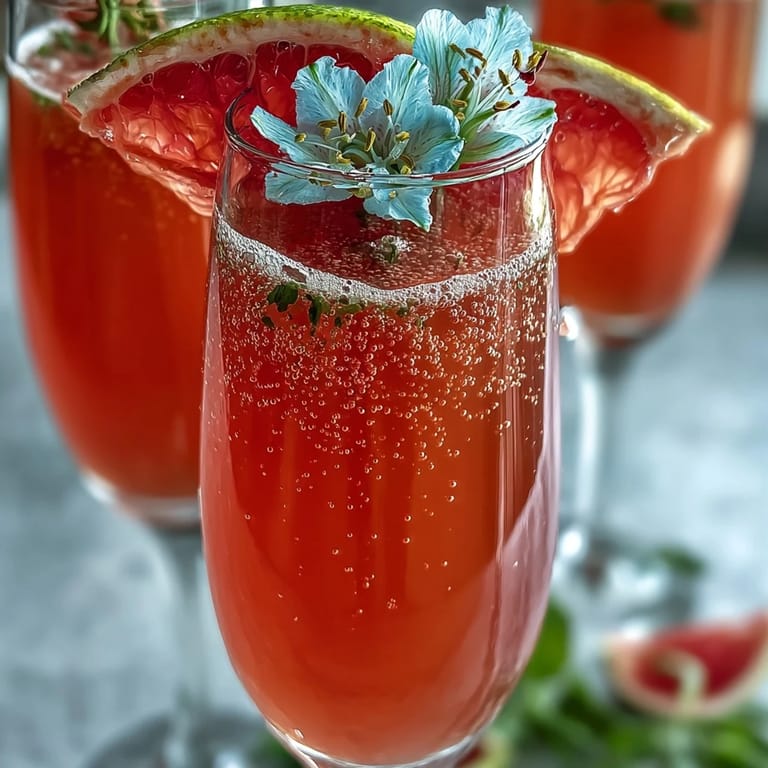
I made a batch for my sister's birthday brunch last spring, and what struck me wasn't just how beautiful they looked in the glasses—those pale golden layers catching the light—but how they became the conversation starter. Everyone wanted to know what made them taste so different, and there was something deeply satisfying about watching people's faces light up when they took that first sip.
Ingredients
- Guava nectar (1 cup, chilled): This is your tropical backbone, bringing bright sweetness and a creamy texture that prevents the drink from tasting too boozy or one-dimensional.
- Elderflower liqueur like St-Germain (1/2 cup): The secret ingredient that transforms this from ordinary to memorable—its delicate floral notes are the bridge between guava and champagne.
- Champagne or sparkling wine (1 bottle, 750 ml, chilled): Choose something you'd actually enjoy drinking straight, since its quality directly impacts how refined your mimosa tastes.
- Edible flowers or guava slices for garnish: A thin slice of guava floating on top looks stunning and gives you something pretty to nibble on as you drink.
Tired of Takeout? 🥡
Get 10 meals you can make faster than delivery arrives. Seriously.
One email. No spam. Unsubscribe anytime.
Instructions
- Pour the guava nectar base:
- Measure exactly 1/4 cup of chilled guava nectar into each champagne flute—you'll notice how it settles at the bottom with that gorgeous peachy-pink color. Keep everything cold or the bubbles will disappear before you even finish mixing.
- Add the elderflower liqueur:
- Pour 2 tablespoons of elderflower liqueur into each glass, and watch how it mingles with the guava creating these beautiful swirls. Don't stir yet; the layers are part of the experience.
- Top with champagne gently:
- This is the moment that matters most—pour the chilled champagne slowly and deliberately until each flute is nearly full, letting the bubbles rise and the ingredients marry naturally. The champagne should take up roughly the top half of your glass.
- Stir and garnish with intention:
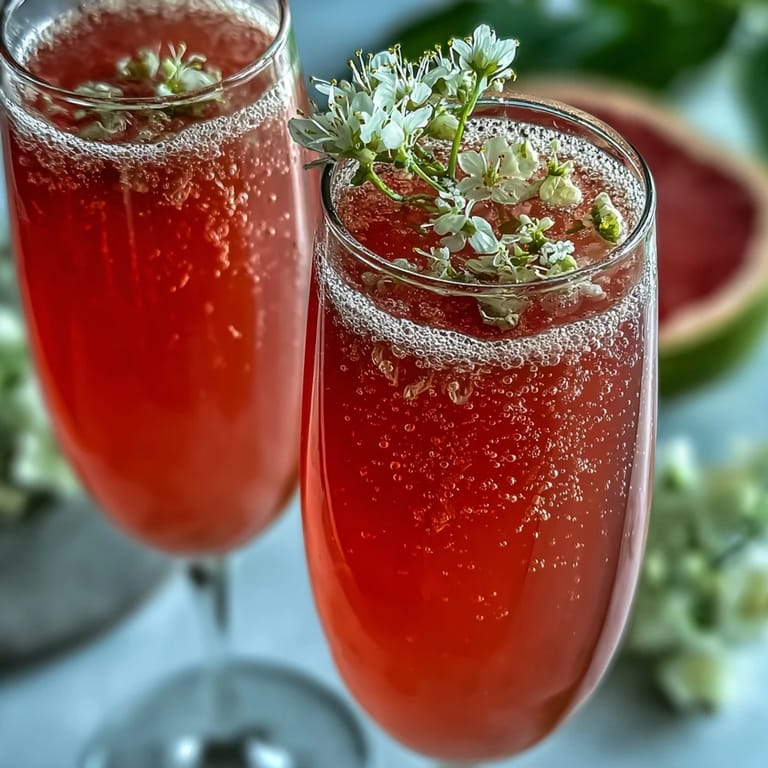
- Give the drink a gentle stir with a bar spoon, just enough to combine everything evenly without brutalizing the bubbles. A thin slice of guava or a single edible flower perched on top transforms it from a drink into an occasion.
 Pin it
 There's something about serving these at brunch that feels genuinely celebratory, even on a regular Tuesday when you're not actually celebrating anything specific. It's the kind of drink that makes ordinary moments feel like occasions worth remembering.
When to Make This Cocktail
This mimosa shines during morning gatherings when people want something refreshing but sophisticated—think baby showers, birthday brunches, or those lazy weekend mornings when your friends are still in pajamas but everyone's in the mood to feel fancy. It's also surprisingly good as an aperitif before dinner on warm evenings, when you want something lighter than a full cocktail. I've even made pitcher-sized batches for garden parties, and it seems to disappear faster than anything else on the table.
Pairing and Serving Suggestions
These cocktails feel most at home alongside foods that won't compete with their delicate flavor—think smoked salmon on thin toast, fresh berries, pastries with jam, or soft cheeses that let the drink shine. The tropical notes actually pair beautifully with slightly spiced dishes too, like anything with cardamom or a light honey glaze. Serve them immediately after mixing, and always keep backup bottles of champagne chilling because once your guests taste one, they'll want another.
Making It Your Own
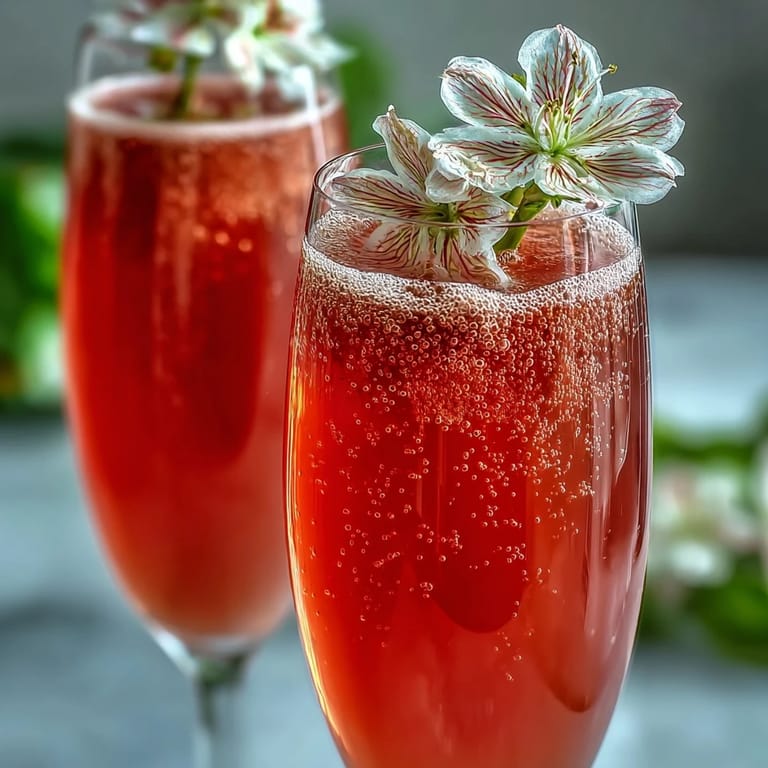
The beauty of this recipe is how forgiving it is to adjust—if you prefer something sweeter, add an extra splash of guava nectar and dial back the champagne slightly. For a lighter, more champagne-forward version, reverse those proportions and use less elderflower liqueur. Some of my friends have experimented with different garnishes—crystallized ginger, a sprig of fresh mint, even a tiny edible flower frozen inside an ice cube—and each version tells a different story.
- Non-alcoholic swap: Use elderflower cordial instead of liqueur and substitute sparkling water or alcohol-free sparkling wine for the champagne.
- Batch make for crowds: Multiply the recipe and mix everything in a large pitcher just before serving, letting guests pour from there.
- Flavor experiment: A tiny splash of rose water or passion fruit juice can add unexpected depth if you're feeling adventurous.
 Pin it
 There's a reason this became the drink I reach for whenever I want to feel like I'm doing something special without actually doing much of anything at all. Make this once and you'll understand why.
Recipe FAQ
- → What does elderflower liqueur taste like?
Elderflower liqueur has delicate floral notes with hints of pear, citrus, and honey. It adds a sophisticated sweetness that balances perfectly with tropical guava and crisp champagne.
- → Can I make this ahead of time?
For optimal bubbles and freshness, prepare individually just before serving. However, you can pre-measure the guava nectar and elderflower liqueur in advance, then top with champagne when guests arrive.
- → What's the best champagne for mimosas?
Choose a dry brut or extra dry champagne or sparkling wine. The drier varieties balance the sweet guava nectar and elderflower liqueur, creating a perfectly refreshing cocktail.
- → How do I make a non-alcoholic version?
Replace elderflower liqueur with elderflower syrup and substitute champagne with sparkling water or non-alcoholic sparkling wine. The floral and tropical flavors remain delightful without the alcohol.
- → Can I use other fruit juices instead of guava?
Absolutely. Mango, passion fruit, or pineapple juice work beautifully with elderflower. Each tropical fruit creates a unique variation while maintaining the sophisticated floral profile.
- → What foods pair well with this cocktail?
This vibrant drink complements fresh fruit platters, light pastries, croissants, quiches, and brunch classics. The tropical and floral notes also pair nicely with seafood appetizers or mild cheeses.