 Pin it
 There's something about the smell of garlic hitting hot butter that stops you mid-conversation. I discovered this Turkish yogurt pasta on an ordinary Tuesday, scrolling through a friend's food photos from Istanbul, and something about the simplicity of it pulled at me. Creamy, tangy, warm—it looked like comfort in a bowl. Within the week, I'd made it three times, each batch better than the last, and I haven't stopped since.
I made this for my neighbor one evening when she'd had a rough day, and watching her face soften at that first bite reminded me why I cook at all. She called it "a hug in a bowl," which I've stolen and used ever since. It's become the dish I reach for when I want to feed someone without making them feel like I've gone out of my way.
Ingredients
- Pasta (400 g dried fusilli or penne): Use the wavy or tube shapes—they trap the yogurt sauce like little pockets, which is the whole point.
- Salt for pasta water (1 tablespoon): Your pasta will taste flat without properly salted water, so don't skimp here.
- Plain full-fat Turkish or Greek yogurt (400 g): This is not the time for low-fat versions; the fat carries flavor and creates that silky coating.
- Garlic (2 cloves, finely minced): Raw garlic hits differently when it meets warm yogurt, so mince it small.
- Salt for sauce (1/2 teaspoon): Taste as you go; yogurt can vary in saltiness depending on the brand.
- Unsalted butter (60 g): This is your blank canvas for the spices, so quality matters.
- Olive oil (1 tablespoon): It keeps the butter from browning too fast and adds a whisper of richness.
- Sweet paprika (1 1/2 teaspoons): The soul of this dish—it should smell warm and slightly sweet when it hits the heat.
- Aleppo pepper or red pepper flakes (1/2 teaspoon): Aleppo has a fruitier heat than regular flakes, but work with what you have.
- Dried mint (1/4 teaspoon, optional): I skip it sometimes and don't miss it, but when I remember it's there, it transforms the whole thing.
- Fresh dill or parsley for garnish (2 tablespoons): The green on top isn't just decoration—it adds a fresh note that cuts through the richness.
Tired of Takeout? 🥡
Get 10 meals you can make faster than delivery arrives. Seriously.
One email. No spam. Unsubscribe anytime.
Instructions
- Get the water going:
- Fill a large pot with water and get it boiling hard—the kind of rolling boil that means business. Add a tablespoon of salt; the water should taste like the sea.
- Cook the pasta:
- Slide the pasta in and stir immediately so nothing sticks. Cook until it's al dente, meaning tender but with a slight firmness when you bite it. Reserve a small cup of that starchy pasta water before you drain everything.
- Whisk the yogurt smooth:
- In a bowl, combine yogurt, minced garlic, and salt. Whisk it until it's creamy and uniform. If it seems too thick, add a splash or two of your reserved pasta water until it flows like silk.
- Bring the butter to life:
- Melt butter and olive oil together in a small pan over medium heat. Once it's shimmering, add the paprika, Aleppo pepper, and mint if using. You'll smell it change—let it warm and toast for about a minute, then take it off the heat before it browns.
- Bring it all together:
- Toss the hot pasta with the yogurt sauce, moving gently so everything gets coated evenly. The residual heat will warm the yogurt without breaking it.
- The final moment:
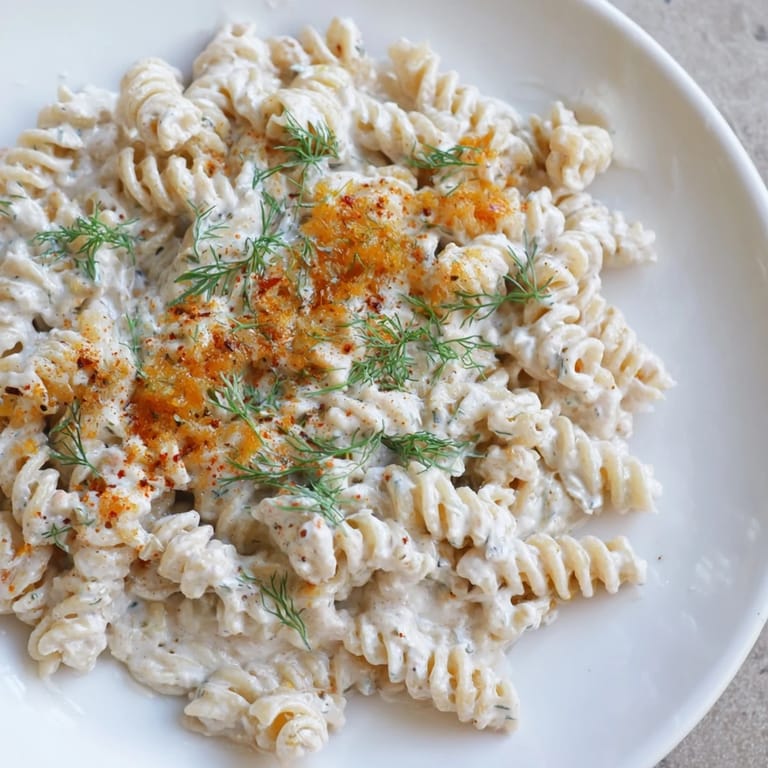
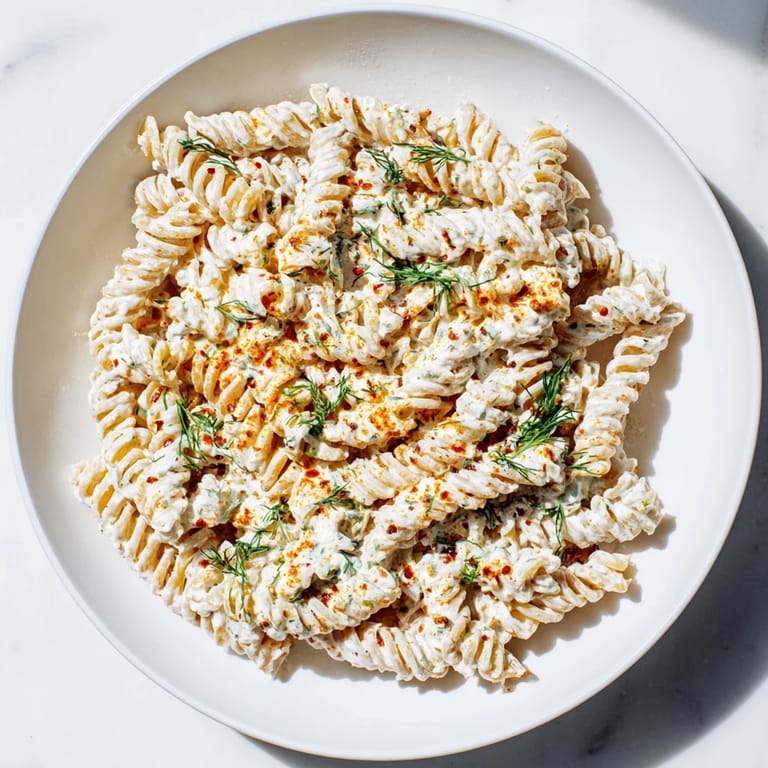
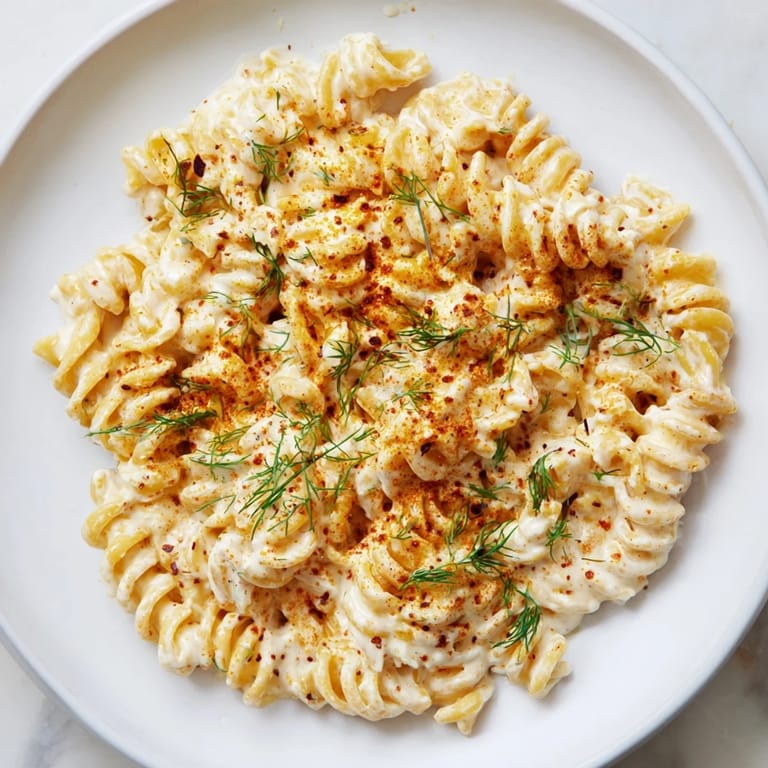
- Divide pasta among bowls and drizzle generously with that spiced butter. The heat will make it pool slightly, and that's exactly what you want. Scatter fresh herbs on top and serve right away.
 Pin it
 There was a moment when I first made this where I watched the pale yogurt turn golden under that drizzle of spiced butter, and suddenly my kitchen smelled like someone else's home—somewhere warm and lived in. That's when I realized this dish was more than a recipe; it was a passport.
Why This Works
Turkish yogurt pasta succeeds because it doesn't try too hard. The yogurt is tangy and cooling, the spiced butter is warm and aromatic, and the pasta is just there to carry both. There's no cream, no heavy sauce, just balance. It's the kind of dish that teaches you something about cooking: sometimes the best results come from stepping back and letting simple ingredients speak for themselves.
The Ritual of Spiced Butter
The moment you add paprika and pepper to melting butter is where the magic lives. You'll hear it sizzle slightly and smell something shift—that's when you know it's working. I used to overthink this step, worried I'd burn something, but really you're just waking up the spices and letting them perfume the fat. It takes maybe a minute, and the difference it makes is enormous.
Making It Your Own
This recipe is a foundation, not a rulebook. I've seen it topped with toasted pine nuts, finished with a crack of black pepper, paired with crispy chickpeas, or even given a squeeze of lemon juice for extra brightness. The beauty is that it takes additions without losing itself. Once you've made it once and felt how it works, you can play.
- Toasted pine nuts add a buttery crunch that makes the whole bowl feel more substantial.
- A pinch of sumac or a squeeze of fresh lemon brightens everything right before serving.
- Don't skip letting everything come together slowly—rushing the assembly is the only way this dish fails.
 Pin it
 This is one of those dishes that makes you feel like you've traveled somewhere, even when you're eating at your kitchen table. Make it for someone you want to feed well.
Recipe FAQ
- → What pasta works best for this dish?
Fusilli or penne are preferred as their shapes hold the creamy yogurt sauce well.
- → How can I thin the yogurt sauce if it’s too thick?
Add a spoonful or two of reserved pasta cooking water to reach a smooth, creamy consistency.
- → Can Aleppo pepper be substituted?
Yes, mild chili flakes make a good alternative while maintaining subtle heat and flavor.
- → Is it necessary to add fresh herbs as garnish?
Fresh dill or parsley add brightness and contrast but can be omitted if unavailable.
- → What makes the spiced butter aromatic?
The combination of melted butter, olive oil, paprika, Aleppo pepper, and optional dried mint creates a fragrant, flavorful drizzle.