 Pin it
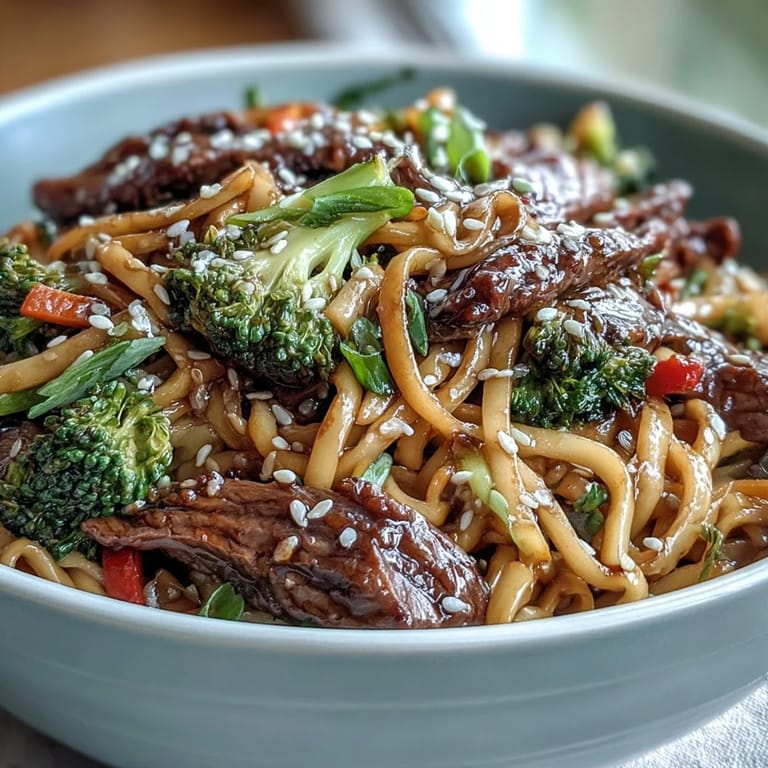
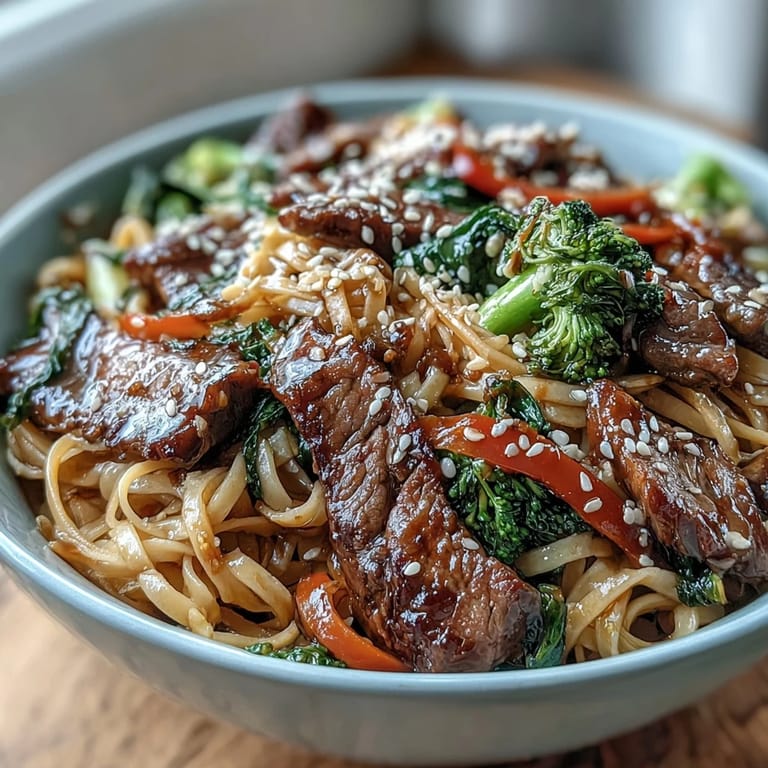
 My wok was still cold when I smelled the garlic and ginger waiting on the counter, and I knew I was about to make something that would fill the kitchen with the kind of warmth that lingers long after dinner. Korean beef noodles became my weeknight answer when I wanted something exciting but didn't have hours to spend. The sizzle of thinly sliced flank steak hitting hot oil, the sweet-savory gloss of soy and brown sugar coating every strand of rice noodle—it all came together faster than I expected the first time I tried it. Now it's the dish I make when I need comfort and a little bit of fire at the same time.
I made this for friends on a rainy Thursday, and the kitchen windows fogged up from the heat of the wok. Everyone crowded around the stove, watching the vegetables turn glossy and bright under the sauce. One friend said it tasted like the noodle bowls she used to get in Seoul, and I took that as the highest compliment. We ate straight from the skillet, passing chopsticks and laughing, and I realized this dish had become more than a recipe—it was an invitation.
Ingredients
- Rice noodles: These wide, slippery strands soak up the sauce beautifully and stay tender without getting mushy if you don't overcook them.
- Flank steak: Slicing it thin against the grain is the secret to keeping it tender, and it browns fast over high heat for maximum flavor.
- Broccoli florets: They add a satisfying crunch and soak up just enough sauce to make every bite interesting.
- Bell pepper: Red or yellow brings sweetness and a pop of color that makes the whole dish look alive.
- Carrot: Julienned carrots cook quickly and add a subtle earthiness that balances the soy and sugar.
- Green onions: A fresh, sharp garnish that cuts through the richness and adds a final layer of flavor.
- Garlic and ginger: These aromatics are the foundation, and letting them sizzle for just 30 seconds releases all their fragrance without burning.
- Soy sauce: The salty backbone of the sauce, it coats everything with deep umami.
- Brown sugar: It dissolves into the soy to create a glossy, slightly sweet glaze that caramelizes on the beef.
- Sesame oil: A few drops add a toasty, nutty finish that makes the whole dish smell incredible.
- Vegetable oil: High smoke point means you can get the wok screaming hot without any issues.
- Sesame seeds: A small sprinkle adds texture and a gentle nuttiness that ties everything together.
Tired of Takeout? 🥡
Get 10 meals you can make faster than delivery arrives. Seriously.
One email. No spam. Unsubscribe anytime.
Instructions
- Prepare the noodles:
- Cook the rice noodles according to the package directions, then drain them and set them aside. They'll be ready to toss in at the very end, soaking up all the flavors you've built in the wok.
- Heat the wok:
- Pour vegetable oil into a large skillet or wok and set it over medium-high heat until it shimmers. The oil should be hot enough that a piece of beef sizzles immediately when it hits the surface.
- Sear the beef:
- Add the thinly sliced flank steak and let it cook for 2 to 3 minutes, stirring occasionally, until it's browned on the edges. Remove it from the skillet and set it aside so it doesn't overcook.
- Build the aromatics:
- In the same skillet, add the minced garlic and grated ginger, stirring constantly for about 30 seconds. You'll know it's ready when the fragrance fills the kitchen and the garlic just starts to turn golden.
- Stir-fry the vegetables:
- Toss in the broccoli, bell pepper, and julienned carrot, stirring frequently for about 5 minutes. The vegetables should be tender but still have a bit of snap to them.
- Mix the sauce:
- While the vegetables cook, combine soy sauce, brown sugar, and sesame oil in a small bowl, stirring until the sugar completely dissolves. This glossy mixture will coat everything beautifully.
- Combine beef and sauce:
- Return the beef to the skillet and pour the sauce over the beef and vegetables. Stir everything together so every piece is coated in that sweet-savory glaze.
- Toss in the noodles:
- Add the cooked rice noodles to the skillet and gently toss everything together for about 2 minutes. The noodles will pick up the sauce and mingle with the beef and vegetables, creating silky, flavorful strands.
- Garnish and serve:
- Sprinkle chopped green onions and sesame seeds over the top before serving. The fresh onions add a bright note, and the sesame seeds give a final nutty crunch.
 Pin it
 The first time I served this to my mom, she took one bite and asked for the recipe before she even finished her bowl. She said it reminded her of a noodle shop she used to visit in her twenties, where the cook would toss everything together right in front of you. I realized then that food has a way of pulling memories forward, even when you're making something brand new.
Making It Your Own
This recipe is forgiving and loves a little improvisation. I've stirred in snap peas when I had them, swapped chicken thighs for the beef, and even used tofu for a vegetarian version that my neighbor requests constantly. If you want heat, a spoonful of gochujang or a drizzle of sriracha in the sauce will turn it into something with a kick. The foundation stays the same, but the dish bends to whatever you have on hand or whatever mood you're in.
Storage and Reheating
Leftovers keep beautifully in an airtight container in the fridge for up to three days. I actually think the flavors deepen overnight, and the noodles soak up even more of the sauce. Reheat gently in a skillet over medium heat with a splash of water to loosen things up, or microwave in short bursts, stirring between each one. The texture stays silky, and the beef remains tender if you don't blast it with too much heat.
Serving Suggestions
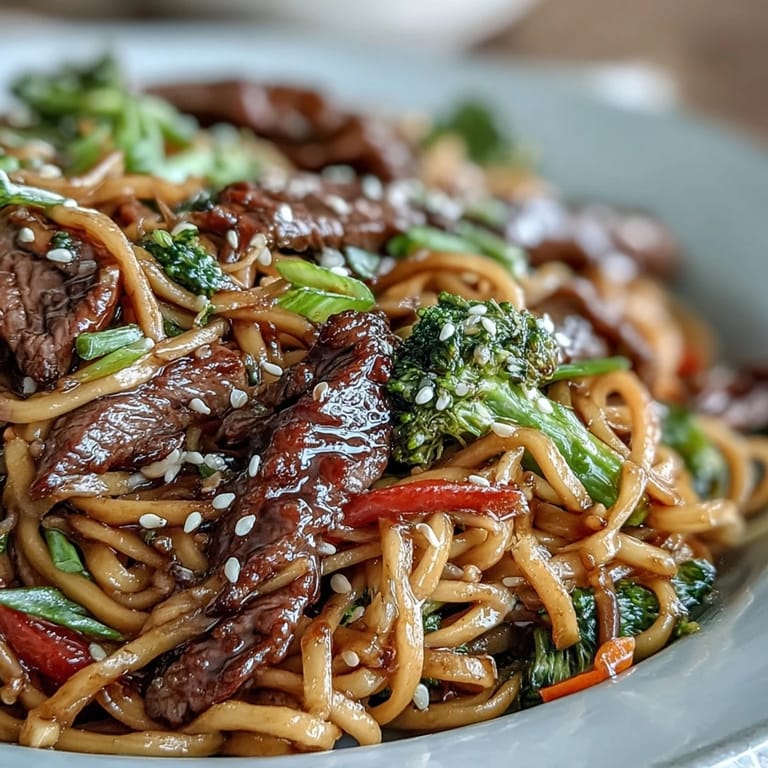
I love serving this straight from the wok, family-style, with everyone helping themselves. It pairs well with a simple cucumber salad dressed in rice vinegar, or even a side of kimchi if you want to lean into the Korean flavors. Sometimes I'll set out extra sesame seeds, sliced green onions, and chili oil so everyone can customize their bowl.
- Offer chopsticks and small bowls to make it feel like an authentic noodle bar experience.
- Serve with iced barley tea or a light lager to balance the richness.
- Double the recipe if you're feeding a crowd, because there are never enough leftovers.
 Pin it
 This dish has earned its place in my regular rotation, and I hope it finds a spot in yours too. There's something deeply satisfying about pulling together a bowl this flavorful in less than an hour, and watching people go quiet as they eat.
Recipe FAQ
- → Can I use other types of noodles besides rice noodles?
Yes, you can substitute rice noodles with soba, udon, or even wheat-based lo mein noodles. Just adjust cooking time according to package instructions since different noodles have varying cook times.
- → How do I slice the flank steak properly?
Always slice flank steak against the grain. Look for the muscle fibers running in one direction and cut perpendicular to them. This shortens the fibers, making each bite more tender. For easiest slicing, chill the beef in the freezer for 20-30 minutes before cutting.
- → Can I make this dish spicy?
Absolutely. Add 1-2 teaspoons of gochujang (Korean chili paste) or sriracha to the sauce mixture. You can also include sliced fresh chilies or red pepper flakes when stir-frying the aromatics. Start with a small amount and adjust to your preferred heat level.
- → How should I store leftovers?
Store in an airtight container in the refrigerator for up to 3 days. The noodles will absorb more sauce over time, which actually enhances the flavor. Reheat gently in a skillet or microwave, adding a splash of water if needed to loosen the sauce.
- → What vegetables work well in this dish?
Broccoli, bell peppers, and carrots are classic choices, but you can also add snap peas, zucchini, bok choy, shiitake mushrooms, or baby corn. Aim for about 3-4 cups total vegetables to maintain the balance between beef, noodles, and produce.
- → Is this dish gluten-free?
It can be. Use rice noodles (naturally gluten-free) and tamari instead of regular soy sauce. Always check labels on all ingredients, especially sauces, to ensure they're certified gluten-free if you have celiac disease or gluten sensitivity.