 Pin it
 There's something about the sizzle of chicken hitting a hot pan that makes me pause whatever I'm doing. One weeknight, I was standing over the stove when that unmistakable sound of teriyaki sauce bubbling around golden-brown pieces of chicken filled my kitchen, and I realized this wasn't just dinner—it was the answer to every "what's for lunch this week" panic I'd had before. The smell alone made me understand why this dish has become as much a part of my routine as my morning coffee.
I made this for my sister during a particularly hectic week of her life, and watching her come home to a ready-to-heat dinner made me see this recipe differently—not as a shortcut, but as a small act of care. She reheated it the next morning without even bothering with the rice, just grabbed it straight from the container at her desk, and somehow that felt like the highest compliment.
Ingredients
- Boneless, skinless chicken thighs (600 g): They stay juicy where breasts might dry out, and they're forgiving when you're juggling multiple pans at once.
- Low-sodium soy sauce (80 ml): The foundation of everything, but go low-sodium so the other flavors actually shine through instead of being drowned out.
- Mirin (60 ml): This is where the subtle sweetness comes from—it's not cloying like regular sugar would be.
- Honey or maple syrup (2 tbsp): Choose whichever you have, though honey dissolves more smoothly into the sauce.
- Rice vinegar (1 tbsp): A splash that wakes everything up and keeps the sauce from feeling one-dimensional.
- Cornstarch (1 tbsp): The secret to sauce that clings instead of runs straight off your chicken.
- Fresh ginger and garlic (1 tsp ginger, 1 clove garlic): Don't skip these—they're what make this taste intentional rather than generic.
- Jasmine or short-grain rice (250 g): Jasmine rice absorbs the sauce flavors better than long-grain varieties.
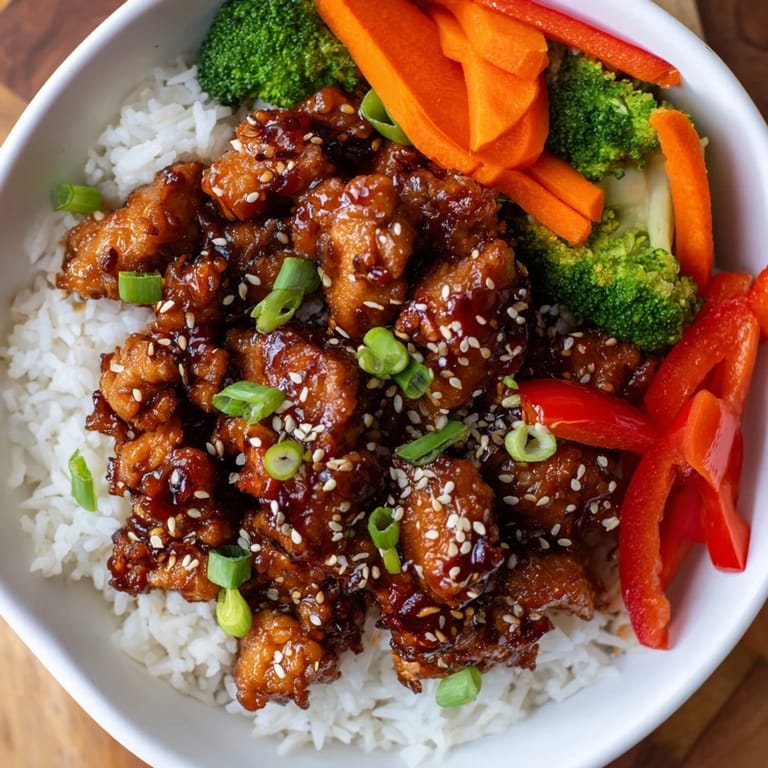
- Broccoli, carrots, red bell pepper: The vegetables cook quickly and add color and texture that makes the meal feel complete.
- Sesame seeds and spring onions (optional): These garnishes transform the final dish from "homemade" to "thoughtfully finished."
Tired of Takeout? 🥡
Get 10 meals you can make faster than delivery arrives. Seriously.
One email. No spam. Unsubscribe anytime.
Instructions
- Start your rice and prep the vegetables:
- Rinse your rice until the water runs clear—this removes excess starch and prevents mushy rice. Bring your measured water to a boil, add the rinsed rice, cover tightly, and lower the heat to its gentlest setting for 12–15 minutes; you'll know it's done when you can see little steam holes on the surface.
- Get your vegetables ready:
- While the rice does its quiet work, steam or blanch your broccoli, carrots, and bell pepper until they're just tender but still have a whisper of crunch (about 3–4 minutes is all they need). The vegetables should look bright, not soft.
- Build your sauce:
- In a small bowl, whisk together the soy sauce, mirin, honey, rice vinegar, and water first, then sprinkle in the cornstarch slowly while stirring so it doesn't clump. Add your minced garlic and grated ginger at the end, stirring until everything is completely smooth.
- Cook the chicken until it's golden:
- Heat your oil in a large skillet over medium-high heat until it shimmers, then add your seasoned chicken pieces in a single layer if you can. Resist the urge to stir constantly—let them sit for a minute or two so they develop that golden-brown exterior that makes them taste better.
- Add the sauce and let it do its magic:
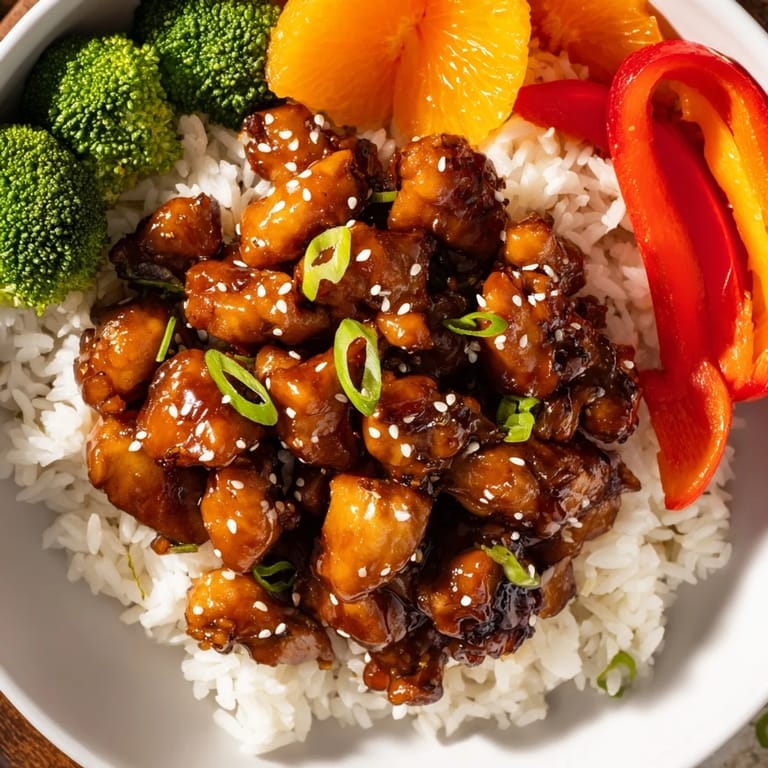
- Once the chicken is cooked through and golden (about 5–6 minutes), pour in your sauce and stir constantly as it heats through. You'll see it transform in front of you—it'll go from thin and pourable to glossy and clingy, which takes about 2–3 minutes.
- Bring it all together:
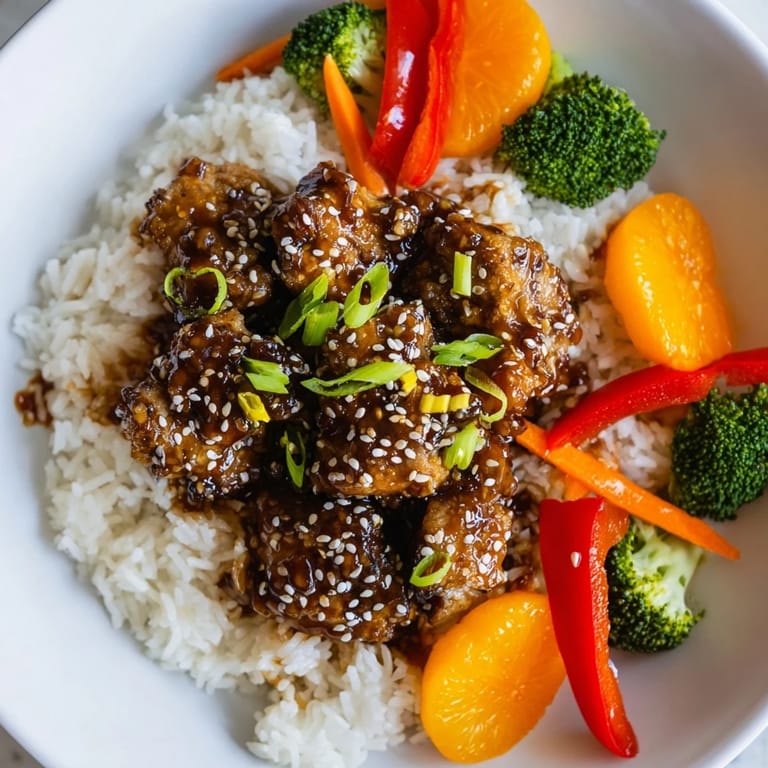
- Divide your finished rice into meal-prep containers, arrange the teriyaki chicken and steamed vegetables on top, and finish with sesame seeds and spring onions if you're using them. Let everything cool completely before sealing the lids.
 Pin it
 What I didn't expect was how this dish would become the thing people text me for, asking if I can make it for their lunch the next time I'm cooking. It stopped being about efficiency and started being about the way something homemade tastes unmistakably better than its takeout equivalent.
Why Teriyaki Works
Teriyaki isn't complicated—it's just the perfect balance of salty, sweet, and acidic, all dancing together in a way that makes your brain think you're eating something more involved than you actually made. The sauce development is almost meditative: watching it transform from liquid to glossy coating feels like the kitchen equivalent of watching a photograph develop in chemical baths. That moment when the cornstarch does its job and everything suddenly thickens is when you know you're on track.
Meal Prep Strategy
The reason this recipe feels designed for containers is because every component actually gets better when it sits together overnight. The rice softens just slightly, the vegetables stay tender, and the teriyaki sauce deepens in flavor as it mingles with everything else. Unlike some meal-prep dishes that feel like they're merely enduring a few days in the fridge, this one tastes intentionally made a day ahead. You could theoretically eat this the moment it's finished, but if you have the patience to let it cool and refrigerate, you're rewarded with something that tastes even more cohesive.
Flexibility in the Kitchen
The beauty of this dish is how it invites experimentation without falling apart. Some nights I've swapped the chicken thighs for firm tofu pressed and cubed, and the sauce clings just as beautifully. Other times I've tossed in edamame or snap peas instead of carrots, and suddenly it feels like a different meal even though the foundation is identical. If you need it gluten-free, tamari swaps in seamlessly for soy sauce with no other adjustments required.
- Add sriracha to the individual container right before eating if you want heat without affecting the whole batch.
- Leftover sauce keeps in the fridge for up to a week and works beautifully on roasted vegetables, scrambled eggs, or even stirred into plain rice.
- If your rice cooker is free, use it instead of the stovetop method—one less thing to monitor while you're handling the chicken.
 Pin it
 This is the kind of recipe that reminds you why cooking for yourself or the people you care about matters. It's simple enough that you won't dread making it, but it tastes thoughtful enough that everyone notices.
Recipe FAQ
- → How do I make the teriyaki sauce thick and glossy?
Whisk together cornstarch with water before adding it to the sauce while cooking to achieve a thick, glossy texture.
- → Can I substitute chicken thighs with other proteins?
Yes, you can replace chicken thighs with chicken breast or tofu for a different protein option without changing the cooking method significantly.
- → What is the best rice type to use for this dish?
Jasmine or short-grain rice works best as they cook up tender and slightly sticky, complementing the teriyaki chicken well.
- → How can I prepare vegetables to retain their crispness?
Steam or blanch the broccoli, carrots, and bell pepper for 3–4 minutes until just tender but still crisp for the best texture.
- → Is it possible to make this dish gluten-free?
Absolutely. Use tamari instead of soy sauce to keep the flavors while avoiding gluten.