 Pin it
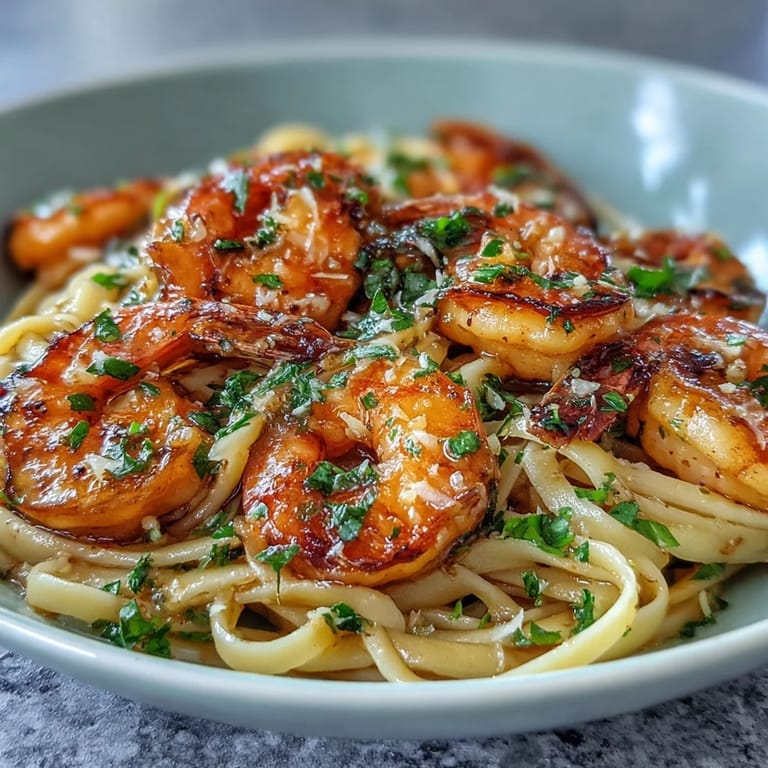
 My neighbor tapped on the door holding a bag of shrimp from the market, saying she bought too many and would they go to waste? I had linguine in the pantry and garlic hanging by the stove, so I promised her dinner in thirty minutes. That night taught me that some of the best meals happen without a plan, just good ingredients and a hot pan. The smell of butter and garlic filling the kitchen made her laugh and say she'd overshop more often.
I made this for my sister after she had a rough week, and she sat at my kitchen counter twirling linguine and sighing with relief. She said it was exactly what she needed, something simple but special. We finished the whole skillet between us and mopped up the sauce with bread. It became our comfort dinner, the one we make when words aren't enough.
Ingredients
- Large shrimp, peeled and deveined: Look for shrimp that smell like the ocean, not fishy, and pat them completely dry so they sear instead of steam.
- Linguine: The flat noodles grab onto the garlicky sauce better than round spaghetti, and cooking them just until al dente means they finish perfectly when tossed in the pan.
- Unsalted butter: Using unsalted lets you control the seasoning, and the richness balances the acidity of the wine and lemon.
- Extra-virgin olive oil: Mixing it with butter keeps the fat from burning and adds a fruity depth.
- Garlic, finely minced: Fresh garlic is everything here, slice it thin or mince it fine so it melts into the sauce without burning.
- Red pepper flakes: Just a pinch adds a gentle warmth that sneaks up on you, but skip it if you prefer things mild.
- Lemon zest and juice: The zest brings floral brightness, the juice cuts through the butter, and together they make the dish sing.
- Fresh parsley, chopped: It's not just a garnish, it adds a grassy freshness that keeps each bite lively.
- Dry white wine: A crisp wine like Pinot Grigio or Sauvignon Blanc builds the sauce, and whatever you cook with, you can pour in a glass.
- Salt and freshly ground black pepper: Season at every step and taste before serving, the shrimp and pasta both need it.
- Lemon wedges: A squeeze at the table wakes up the flavors all over again.
Tired of Takeout? 🥡
Get 10 meals you can make faster than delivery arrives. Seriously.
One email. No spam. Unsubscribe anytime.
Instructions
- Boil the pasta:
- Bring a large pot of salted water to a rolling boil and cook the linguine until al dente, then save half a cup of the starchy pasta water before draining. That water is liquid gold for bringing the sauce together.
- Prep the shrimp:
- Pat the shrimp completely dry with paper towels and season them lightly with salt and pepper. Dry shrimp sear beautifully and won't make the pan watery.
- Start the garlic base:
- Melt 2 tablespoons butter with 2 tablespoons olive oil in a large skillet over medium heat, then add the garlic and red pepper flakes and cook for about a minute until fragrant. Don't let the garlic brown or it turns bitter.
- Sear the shrimp:
- Lay the shrimp in a single layer and cook for 1 to 2 minutes per side until just opaque and pink. Pull them out onto a plate so they don't overcook while you build the sauce.
- Deglaze with wine and lemon:
- Pour in the white wine and lemon juice, scraping up the browned bits on the bottom of the pan. Let it simmer for 2 to 3 minutes until it reduces slightly and smells bright and winey.
- Finish the sauce:
- Stir in the remaining 2 tablespoons butter and 1 tablespoon olive oil until melted and glossy. The sauce should look silky and cling to the back of a spoon.
- Bring it all together:
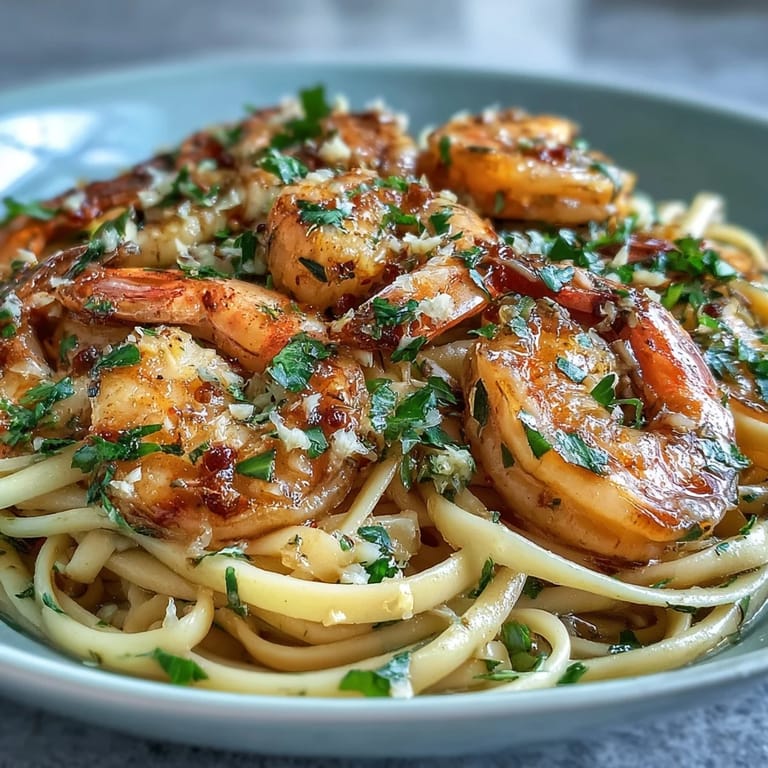
- Return the shrimp and any plate juices to the skillet along with the lemon zest and half the parsley, tossing to coat. Add the drained linguine and toss well, adding reserved pasta water a splash at a time until everything is slick and saucy.
- Taste and serve:
- Adjust the salt and pepper, then serve immediately topped with the remaining parsley and lemon wedges on the side. This dish waits for no one.
 Pin it
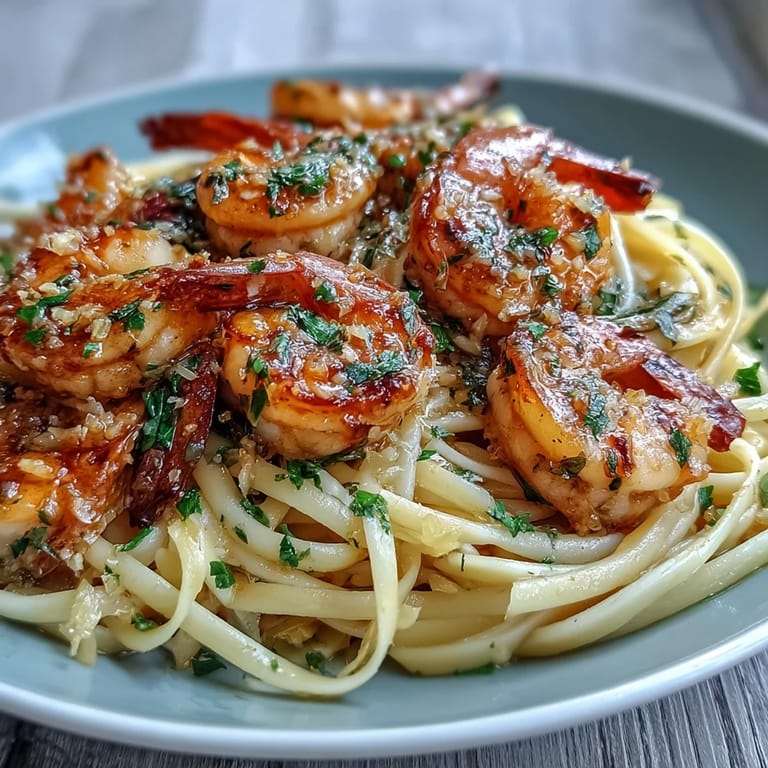
 One evening I served this to friends on the patio with a bottle of cold white wine, and we ate until the sun went down and the candles flickered. Someone said it tasted like vacation, and I realized that's exactly what it is, a little escape on a weeknight. It's the kind of dish that makes people lean back in their chairs and smile without saying much.
What to Serve Alongside
A simple green salad with a lemony vinaigrette cuts through the richness, and crusty bread is non-negotiable for mopping up every drop of that buttery sauce. Roasted asparagus or broccolini add a little color and crunch, and if you want to go all in, garlic bread makes everyone at the table very happy. Keep it light so the shrimp and pasta stay the stars.
How to Store and Reheat
Leftovers keep in an airtight container in the fridge for up to two days, but the shrimp can get rubbery if reheated too aggressively. Warm it gently in a skillet over low heat with a splash of water or broth to loosen the sauce, stirring constantly. It's honestly best fresh, so if you know you'll have leftovers, consider cooking only half the shrimp and adding it fresh when you reheat the pasta.
Simple Swaps and Add-Ins
If you can't find linguine, spaghetti or fettuccine work just as well, and gluten-free pasta holds up nicely if you cook it carefully. Halved cherry tomatoes tossed in with the garlic add bursts of sweetness, and a handful of baby spinach wilted at the end sneaks in some greens. For a richer sauce, stir in a few tablespoons of heavy cream after the wine reduces.
- Swap parsley for fresh basil if that's what you have.
- Add a pinch of saffron to the sauce for a fancy twist.
- Toss in some capers for a briny pop.
 Pin it
 This dish reminds me that you don't need a long list or a lot of time to make something memorable. Just good shrimp, butter, garlic, and a little care will fill your kitchen with the kind of smell that makes people wander in asking when dinner's ready.
Recipe FAQ
- → What type of shrimp works best for this dish?
Large shrimp (16-20 count per pound) work best as they stay tender and juicy. Make sure they're peeled and deveined for convenience. Fresh or frozen shrimp both work well—just thaw frozen shrimp completely and pat dry before cooking.
- → Can I substitute the white wine with something else?
Yes, you can use chicken or vegetable broth with a splash of extra lemon juice for acidity. However, dry white wine like Pinot Grigio or Sauvignon Blanc provides the best authentic flavor for traditional scampi sauce.
- → How do I prevent the shrimp from becoming rubbery?
Cook shrimp just until they turn pink and opaque, about 1-2 minutes per side. Overcooking makes them tough and rubbery. Remove them from the skillet immediately once cooked, then return them briefly at the end just to warm through.
- → What pasta shapes can I use instead of linguine?
Spaghetti, fettuccine, angel hair, or even penne work well. Long pasta shapes traditionally pair best with this sauce as they coat evenly. Use gluten-free pasta varieties if needed without compromising the dish's quality.
- → How can I make the sauce creamier?
Add 2-3 tablespoons of heavy cream or a splash of reserved pasta water to create a silkier texture. The starchy pasta water helps emulsify the butter and oil into a cohesive sauce that clings beautifully to the noodles.
- → What sides pair well with shrimp scampi?
A crisp green salad with vinaigrette, garlic bread, roasted asparagus, or sautéed green beans complement this dish perfectly. Keep sides simple to let the garlicky, lemony shrimp and pasta shine as the star.