 Pin it
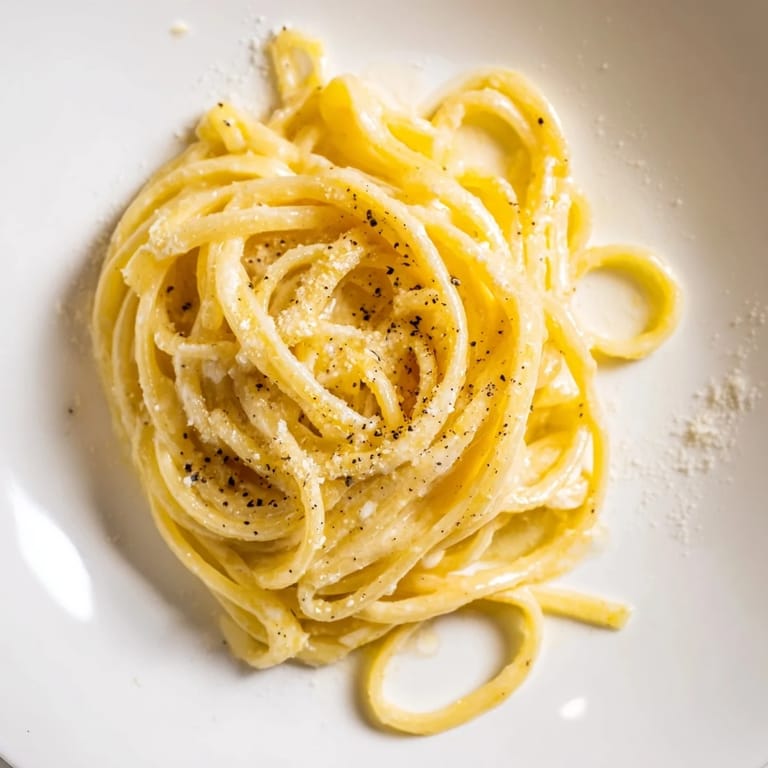
 There's a particular kind of quiet that settles over the kitchen at 8 PM when you've had a long day and the fridge feels emptier than your energy reserves. That's when I discovered this pasta—no fancy ingredients, no complicated steps, just the three things I always seemed to have on hand. The first time I made it was almost accidental; I was reaching for jarred sauce when I remembered a snippet from an Italian cookbook about letting butter and cheese do the heavy lifting. Twenty minutes later, I was twirling creamy, golden pasta on a fork and wondering why I'd ever complicated things.
I made this for a friend who had just moved into their first apartment with absolutely no kitchen supplies beyond a pot. We stood at their bare counter with a box of spaghetti, a stick of butter, and a hunk of Parmesan, and I watched their face when they tasted it—that moment of surprise when simplicity somehow equals elegance. They've made it probably a hundred times since, and I like to think it became the first real meal in that kitchen.
Ingredients
- Dried pasta (200 g): Spaghetti, linguine, or fettuccine all work beautifully here—choose whatever you love twirling, because the sauce clings differently to each shape.
- Unsalted butter (50 g): This is where the magic happens; it's not just a binder, it's the soul of the sauce, so use good butter if you can.
- Freshly grated Parmesan cheese (60 g): Pre-grated cheese has anti-caking agents that prevent the sauce from becoming silky, so take the extra minute to grate it fresh.
- Reserved pasta water (60–80 ml): The starch in this water is what transforms butter and cheese into a creamy coating instead of a gritty mess.
- Salt and black pepper: Taste as you go; the pasta water is already salted, but you might need more depending on your butter and cheese.
Tired of Takeout? 🥡
Get 10 meals you can make faster than delivery arrives. Seriously.
One email. No spam. Unsubscribe anytime.
Instructions
- Boil the pasta with intention:
- Fill a large pot with water, add enough salt so it tastes like the sea, and bring it to a rolling boil before adding the pasta. Stir it occasionally as it cooks and taste a piece around minute 9 or 10—you want it tender but with a slight firmness when you bite it.
- Save the liquid gold:
- Before draining, ladle out about 150 ml of the starchy cooking water into a measuring cup and set it aside. This isn't just water; it's the thickening agent that makes the whole thing work.
- Melt butter into warm pasta:
- Return the hot, drained pasta to the pot (off the heat) and immediately add the butter, tossing with tongs or a pasta fork until every strand glistens and the butter has melted into all the crevices.
- Build the sauce with vigor:
- Sprinkle the grated Parmesan over the buttered pasta and pour in about 60 ml of the reserved pasta water, then toss aggressively for 30–45 seconds—this vigorous tossing is what creates the creamy emulsion. Add more water a splash at a time if it looks too thick or chunky.
- Season and serve immediately:
- Taste it, adjust the salt and pepper, and plate it while it's still steaming, with maybe a whisper of extra Parmesan on top if you're feeling generous.
 Pin it
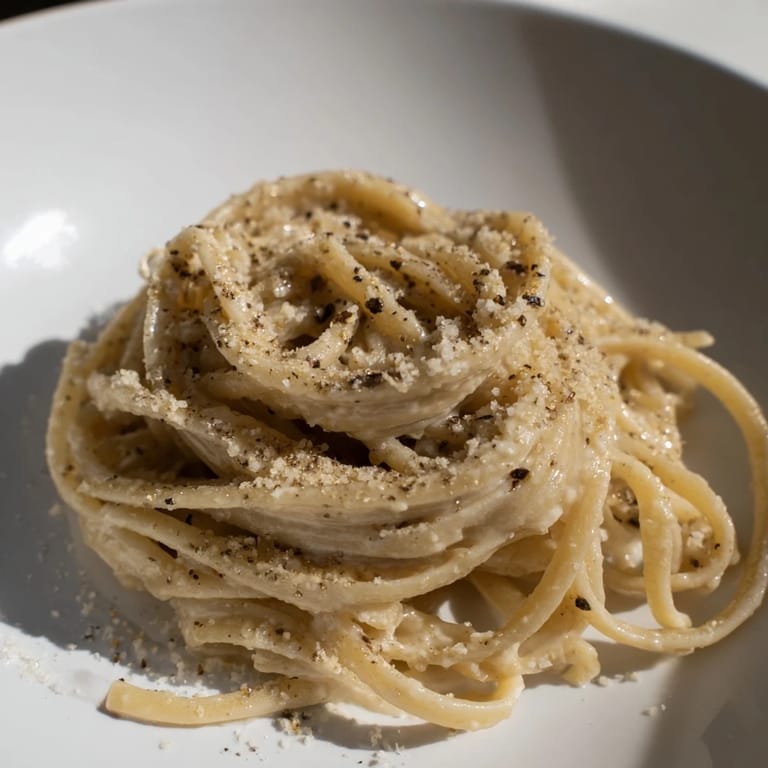
 This dish stopped being just dinner one night when I made it for someone dealing with a rough week, and they called me the next day specifically to say it had been exactly what they needed—not fancy, not fussy, just honest and warm. That's when I understood that sometimes the greatest comfort isn't in complexity; it's in knowing someone cared enough to cook.
The Science of the Sauce
What makes this work is emulsification—the starch in the pasta water helps butter and cheese suspend together instead of separating into greasy puddles. This is the same principle chefs use in fancy restaurants, but here it happens in a pot in your home. The moment you understand this, you'll stop worrying about proportions and start trusting your instincts about when the sauce looks right.
Variations Worth Trying
Once you've made this classic version a few times, you'll start seeing it as a canvas rather than a fixed recipe. A pinch of nutmeg adds warmth and elegance without anyone knowing why they like it so much. Fresh cracked pepper becomes something you can taste rather than just see, and if you're feeling adventurous, swapping half the Parmesan for Pecorino Romano gives you a sharper, more assertive flavor that feels like a different dish entirely.
Timing and Flexibility
The entire meal takes about 17 minutes from start to finish, which means you can literally make this while someone is telling you about their day. It's also forgiving in small ways—if your pasta is a minute overcooked, it still works; if you need to add water or butter at the end to adjust the sauce, there's no shame in that. The flexibility is part of what makes it brilliant.
- Don't wait for perfection; this dish is more about the moment than the execution.
- Keep an extra splash of pasta water nearby as you toss, just in case the sauce thickens faster than you expect.
- If you accidentally let the pasta cool, reheat it gently with a splash more water instead of starting over.
 Pin it
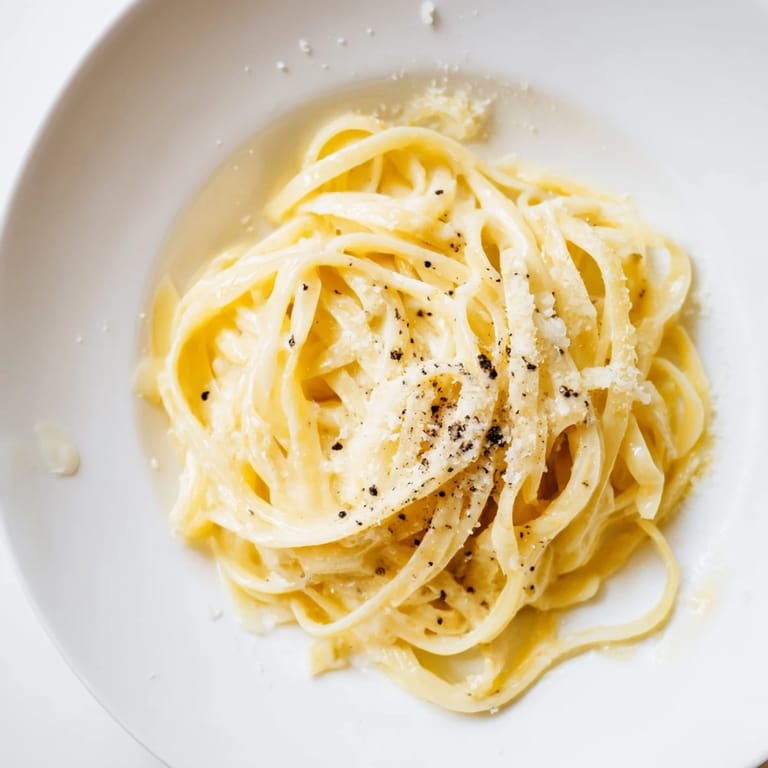
 This pasta taught me that sometimes the most memorable meals aren't complicated—they're just made with attention and presence. Whether you're feeding yourself after a difficult day or someone you love on a quiet Tuesday night, this bowl of butter, cheese, and pasta is enough.
Recipe FAQ
- → What type of pasta works best for this dish?
Long pasta varieties like spaghetti, linguine, or fettuccine are ideal, as they hold the creamy sauce effectively.
- → How does the pasta water contribute to the sauce?
The starchy pasta water helps emulsify the butter and Parmesan, creating a silky, creamy consistency that coats the pasta evenly.
- → Can I add extra flavors to enhance the dish?
Yes, a pinch of grated nutmeg or freshly chopped herbs can add depth without overpowering the basic creamy sauce.
- → Is it possible to substitute Parmesan cheese?
Pecorino Romano can be used for a sharper, saltier flavor, offering a different but delicious twist.
- → How do I avoid the sauce becoming too thick or thin?
Adjust the amount of reserved pasta water gradually while tossing to reach the desired creamy sauce texture.
- → Can this dish be made gluten-free?
Yes, use gluten-free pasta varieties to accommodate dietary preferences without altering the sauce method.