 Pin it
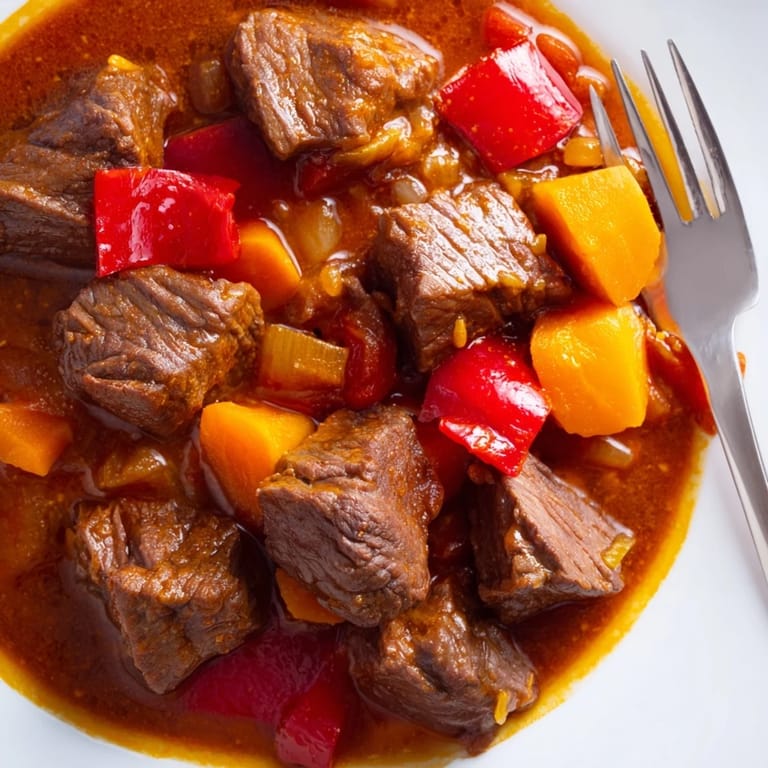
 My neighbor brought me a small tin of Hungarian paprika from Budapest, and I didnt know what to do with it until a cold Saturday when I craved something warm and slow. I threw together what I thought was beef stew, but halfway through I realized I was making goulash. The smell that filled my kitchen was unlike anything Id made before, sweet and earthy and faintly smoky. I ate two bowls that night and understood why this dish has survived generations.
I made this for my sister after she had her second kid, and she called me the next day to ask for the recipe. She said it was the first meal that didnt feel like fuel, that it actually made her sit down and enjoy eating again. I brought her another batch the following week, this time with extra broth so she could freeze half. Watching her taste it with her eyes closed reminded me why I cook for people in the first place.
Ingredients
- Beef chuck: This cut breaks down beautifully over low heat and becomes spoon tender, avoid lean cuts or theyll turn tough and dry.
- Hungarian sweet paprika: This is the soul of the dish, not the dusty jar from five years ago but real Hungarian paprika with a vibrant red color and slightly sweet aroma.
- Onions: They melt into the base and add natural sweetness, I learned to chop them finely so they dissolve completely into the stew.
- Carrots: They add a subtle sweetness and hold their shape even after long cooking, which gives the stew texture.
- Red bell pepper: It adds color and a gentle vegetal flavor that balances the richness of the beef.
- Garlic: Just two cloves is enough, too much and it overpowers the paprika.
- Caraway seeds: They add a faint anise note that feels traditional and warming, I crush them lightly before adding.
- Marjoram: This herb has a floral earthiness that pairs perfectly with paprika and beef.
- Tomato paste: It deepens the color and adds a slight tang that rounds out the broth.
- Beef broth: Homemade is ideal, but a good quality store bought works if you check the label for additives.
- Potatoes: Optional, but they soak up the broth and make the stew more filling and rustic.
- Bay leaf: One leaf is enough to add a subtle background note, just remember to fish it out before serving.
Tired of Takeout? 🥡
Get 10 meals you can make faster than delivery arrives. Seriously.
One email. No spam. Unsubscribe anytime.
Instructions
- Soften the onions:
- Heat the oil in a heavy pot over medium heat and add the onions, stirring occasionally until they turn golden and soft. This takes about eight minutes and fills the kitchen with a sweet, savory smell.
- Add the garlic:
- Stir in the minced garlic and cook for just one minute until fragrant. Dont let it brown or it will taste bitter.
- Brown the beef:
- Add the beef cubes and let them sear on all sides until deeply browned. This step builds flavor into the base of the stew.
- Coat with paprika:
- Sprinkle the paprika over the beef and onions, stirring quickly to coat everything evenly. Paprika burns fast, so keep it moving and dont let it sit on the hot pot.
- Build the flavor base:
- Stir in the tomato paste, caraway seeds, marjoram, black pepper, and salt. Everything should smell warm and toasted.
- Add the vegetables:
- Toss in the carrots, bell pepper, and bay leaf, mixing well so every piece is coated in the spiced oil. The vegetables will soften as the stew simmers.
- Deglaze and simmer:
- Pour in the beef broth and scrape up any browned bits stuck to the bottom of the pot. Bring everything to a gentle simmer, then cover and reduce the heat to low.
- Cook low and slow:
- Let the stew simmer gently for one hour, stirring occasionally to prevent sticking. The beef will start to soften and the broth will deepen in color.
- Add potatoes and finish:
- If using potatoes, add them now and simmer uncovered for another 45 to 60 minutes. The stew will thicken slightly and the beef will fall apart with a spoon.
- Adjust and serve:
- Taste the stew and add more salt if needed, then discard the bay leaf. Serve hot with bread or noodles.
 Pin it
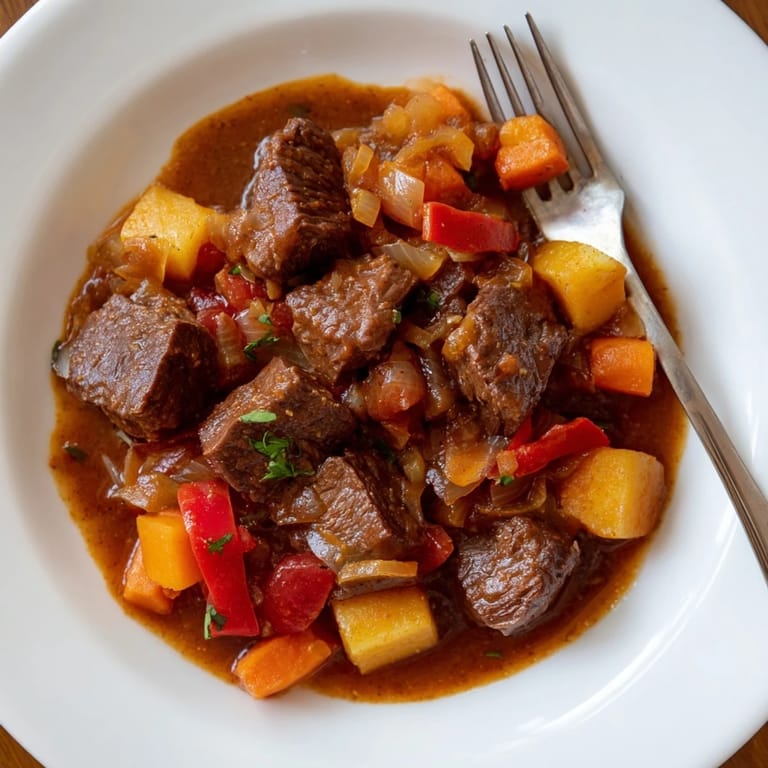
 The first time I made this, I served it to a friend who grew up in Hungary, and I was terrified she would tell me I got it all wrong. She took one spoonful, paused, and said it tasted like her grandmothers kitchen. I almost cried. Food has a way of crossing borders and generations when you let it speak for itself.
Serving Suggestions
I like to serve this with thick slices of crusty bread to soak up the broth, but egg noodles or buttered potatoes work just as well. My favorite pairing is a simple cucumber salad with vinegar and dill, something bright and crisp to cut through the richness. A dollop of sour cream on top is traditional and adds a cool tang, though the stew is just as good without it.
Storage and Reheating
This stew keeps beautifully in the fridge for up to four days, and I actually prefer it the next day when the flavors have had time to marry. Reheat it gently on the stovetop over low heat, adding a splash of broth if it has thickened too much. You can also freeze it in airtight containers for up to three months, though I recommend adding the potatoes fresh after reheating since they can get mealy when frozen.
Common Mistakes and How to Avoid Them
The biggest mistake I made early on was using regular supermarket paprika instead of Hungarian sweet paprika, and the stew tasted flat and dull. I also used to cook it on medium heat instead of low, which made the beef tough and stringy. Now I know to be patient and let the stew simmer gently, and to taste the broth halfway through so I can adjust the seasoning before its too late.
- Dont rush the browning step or the stew will lack depth.
- Avoid lifting the lid too often during the first hour or you will lose heat and moisture.
- Taste before serving and adjust salt, the broth reduces and concentrates as it cooks.
 Pin it
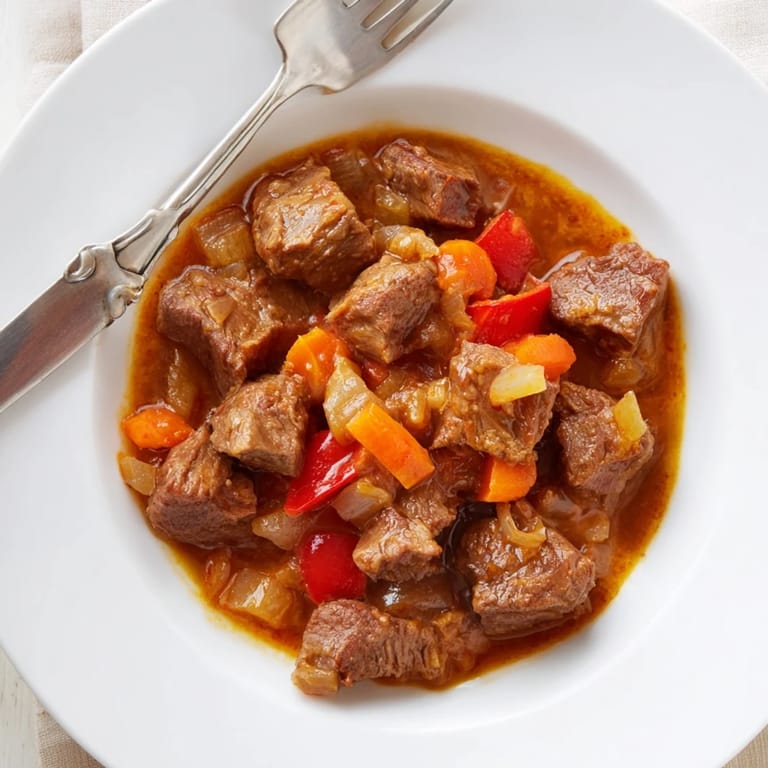
 This is the kind of dish that makes your kitchen smell like a home, the kind that fills bowls and hearts at the same time. I hope you make it on a day when you have nowhere to be, and that it warms you the way it has warmed me.
Recipe FAQ
- → What cut of beef works best?
Beef chuck cut into 1-inch cubes is ideal due to its marbling, which becomes tender and flavorful after slow cooking.
- → Which paprika type is preferred?
Hungarian sweet paprika delivers the authentic smoky-sweet flavor key to this dish.
- → Can I make it spicier?
Yes, add a pinch of hot paprika or finely chopped chili peppers during cooking to boost heat.
- → Why add caraway seeds and marjoram?
Caraway seeds add earthiness and marjoram brings aromatic herbal notes that enhance the stew's depth.
- → How long should it simmer?
Simmer gently for about 2 hours until beef and vegetables are very tender and flavors meld.
- → Are potatoes necessary?
Potatoes are optional but add extra texture and richness when included.