 Pin it
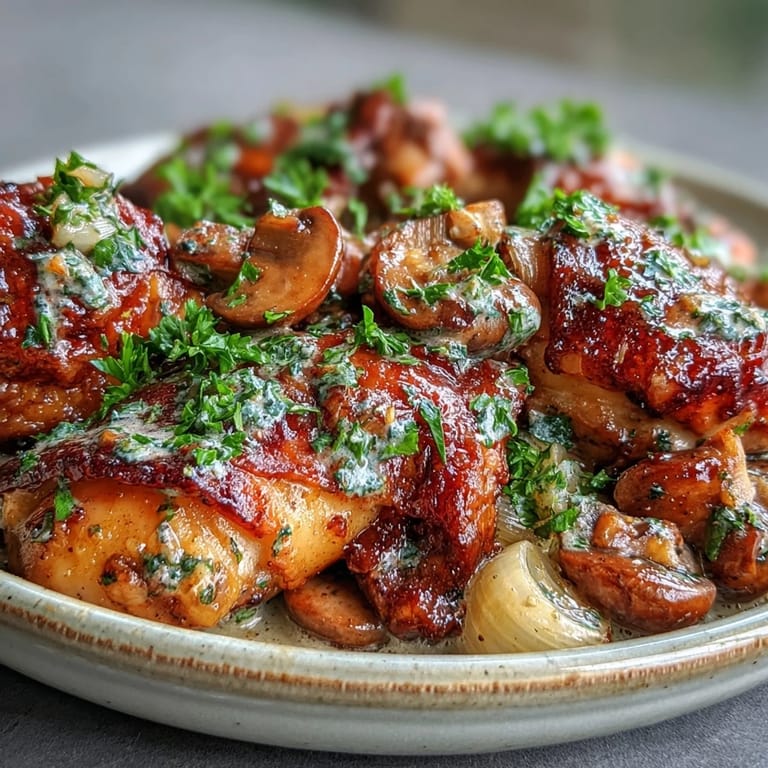
 My neighbor brought over a bottle of rosé she didn't care for, and I almost laughed when she suggested I cook with it. I'd never considered rosé as anything but a summer porch drink, but that evening I browned chicken in my heaviest pot and let the wine work its magic. The kitchen filled with something floral and unexpected, nothing like the deep red coq au vin I grew up with. When I served it that night, even my skeptical husband paused mid-bite and asked what I'd done differently. I told him I'd stopped following rules.
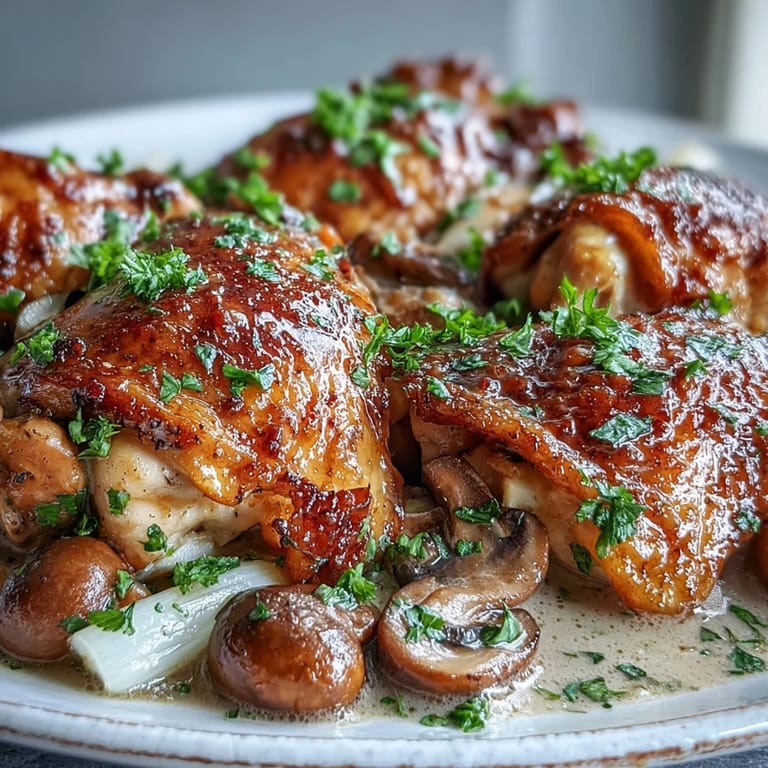
I made this for my sister's birthday dinner last spring, and she still brings it up. She's the kind of person who notices everything, the way the mushrooms soaked up the wine, the sheen on the sauce, how the chicken fell off the bone when she touched it with her fork. We sat outside with candles and finished the rest of the rosé, and she told me it tasted like something you'd get in a small French town where no one hurries. I didn't tell her I'd been rushing the whole time.
Ingredients
- Bone-in, skin-on chicken pieces: Thighs and drumsticks stay tender during the long braise and release collagen that thickens the sauce naturally, plus the skin crisps beautifully when you brown it first.
- Dry rosé wine: Choose something you'd actually drink, nothing too sweet or oak-heavy, because its flavor will concentrate and become the heart of the dish.
- Heavy cream: This is what makes the sauce velvety and ties the acidity of the wine to the richness of the chicken, so don't skimp or substitute with milk.
- Cremini or button mushrooms: Quartering them gives you more surface area to soak up the braising liquid, and they add an earthy balance to the bright wine.
- Fresh thyme and rosemary: These herbs bloom in the slow simmer and perfume the whole pot, but remove them before serving or they'll overpower everything.
- Tomato paste: Just a spoonful deepens the color and adds a subtle umami backbone that you won't quite identify but will miss if it's gone.
- Carrots and leek: They sweeten as they cook and break down slightly, thickening the sauce and adding little bursts of tenderness throughout.
Tired of Takeout? 🥡
Get 10 meals you can make faster than delivery arrives. Seriously.
One email. No spam. Unsubscribe anytime.
Instructions
- Season and dry the chicken:
- Pat each piece completely dry with paper towels so the skin can brown properly, then season generously with salt and pepper on both sides. Wet skin will steam instead of sear, and you'll lose that golden crust that adds flavor to the whole pot.
- Brown the chicken in batches:
- Heat olive oil until it shimmers, then lay the chicken skin-side down without crowding the pan, letting each piece sit undisturbed for about 5 minutes until deep golden. Flip and brown the other side, then set aside; don't worry about cooking it through, that happens later.
- Sauté the vegetables:
- In the same pot with all those browned bits, add onions, carrots, and leek, stirring occasionally until they soften and start to caramelize at the edges, about 4 to 5 minutes. Toss in the mushrooms and let them release their moisture and shrink down, another 3 minutes or so.
- Build the flavor base:
- Stir in the garlic and let it bloom for a minute until fragrant, then add tomato paste and cook it down for another minute, stirring constantly so it doesn't stick. If you're using flour, sprinkle it over everything now and stir to coat the vegetables, which will help thicken the sauce later.
- Deglaze and add the chicken back:
- Pour in the rosé and scrape up all the browned bits stuck to the bottom of the pot, they're pure flavor. Nestle the chicken pieces back in, skin-side up, and tuck in the bay leaf, thyme, and rosemary.
- Braise low and slow:
- Bring everything to a gentle simmer, cover the pot, and lower the heat so it just barely bubbles for 45 minutes. The chicken will become fall-apart tender and the wine will reduce into something concentrated and aromatic.
- Finish with cream:
- Fish out the bay leaf and herb sprigs, then stir in the heavy cream and let the sauce simmer uncovered for 5 to 10 minutes until it thickens and turns glossy. Taste and adjust the salt and pepper, because the wine and cream will have mellowed the seasoning.
- Garnish and serve:
- Spoon the chicken and sauce onto plates or a serving platter and scatter fresh parsley over the top. Serve it hot with something to soak up the sauce, like buttered potatoes or crusty bread.
 Pin it
 I served this to a friend who'd just come back from a year in Paris, and I was nervous she'd compare it to something she'd had in a bistro. She didn't say much at first, just ate quietly and wiped her bowl clean with bread. Then she looked up and said it reminded her of a place near her apartment where the chef used whatever wine was open. I realized then that the best cooking doesn't try to be perfect, it just tries to be honest.
Choosing Your Rosé
Not all rosés are created equal when it comes to cooking, and the bone-dry Provence style works best here because it won't turn sweet or cloying when reduced. Avoid anything labeled as sweet or blush, and if you wouldn't pour it in a glass with dinner, don't pour it in the pot. I once used a leftover bottle from a picnic that tasted faintly of strawberries, and the whole dish came out confused and jammy. Stick with something crisp and mineral, and you'll get a sauce that tastes clean and elegant.
Make-Ahead and Storage
This dish improves overnight as the flavors settle and deepen, so I often make it the day before and reheat it gently on the stove. Store it in an airtight container in the fridge for up to three days, and when you reheat, add a splash of wine or chicken stock to loosen the sauce if it's thickened too much. It also freezes beautifully for up to two months, though the cream may separate slightly when thawed, so just stir it well over low heat and it'll come back together. I like to freeze individual portions so I can pull out just what I need on a night when cooking feels impossible.
Serving Suggestions
The sauce is too good to waste, so serve this with something that can soak it up without competing for attention. Buttery mashed potatoes are classic, but I've also loved it over soft polenta, egg noodles, or even a pile of roasted fingerlings. A green salad with a sharp vinaigrette cuts through the richness, and crusty bread is non-negotiable for mopping up every last bit. If you want to go full French, pour the rest of the rosé and pretend you're somewhere with cobblestones and outdoor markets.
- Serve with a crisp green salad dressed in lemon and olive oil to balance the cream.
- Offer crusty bread or baguette slices for soaking up the sauce.
- Pair with the same rosé you cooked with, chilled, for a meal that feels completely composed.
 Pin it
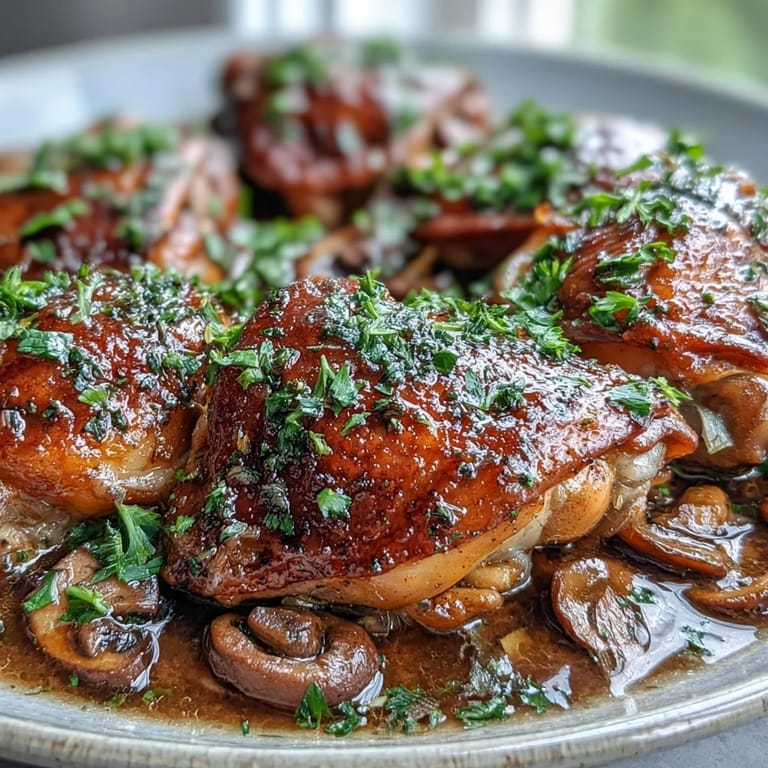
 This recipe taught me that tradition is just a starting point, not a set of handcuffs. Every time I make it, I remember that neighbor and her leftover bottle, and I'm grateful she didn't just pour it down the sink.
Recipe FAQ
- → Can I use chicken breasts instead of thighs and drumsticks?
Yes, but bone-in, skin-on thighs and drumsticks are recommended because they stay juicier during the long braising process. If using breasts, reduce cooking time to about 30 minutes to prevent them from drying out.
- → What type of rosé wine works best for this dish?
Choose a dry rosé wine with good acidity and minimal sweetness. Provence-style rosé or dry Spanish rosado are excellent choices. Avoid sweet or fruity rosés as they can make the sauce overly sugary.
- → Can I prepare this dish ahead of time?
Absolutely. This dish actually improves in flavor when made a day ahead. Prepare through step 8, let cool completely, then refrigerate. Reheat gently on the stovetop before serving and garnish with fresh parsley.
- → How can I make the sauce thicker?
The flour in step 5 provides thickening, but if you want a thicker sauce, simmer uncovered for a few extra minutes after adding the cream. You can also mash one or two pieces of the cooked carrot into the sauce for body.
- → What side dishes pair well with Coq au Vin Rosé?
Classic accompaniments include buttered baby potatoes, creamy mashed potatoes, crusty baguette, egg noodles, or steamed rice. Green beans or a simple salad also complement the rich sauce beautifully.
- → Can I make this dish without cream?
Yes, though the cream adds signature silkiness. You can omit it for a lighter version, or substitute with crème fraîche for tanginess, or use coconut cream for a dairy-free option with similar richness.