 Pin it
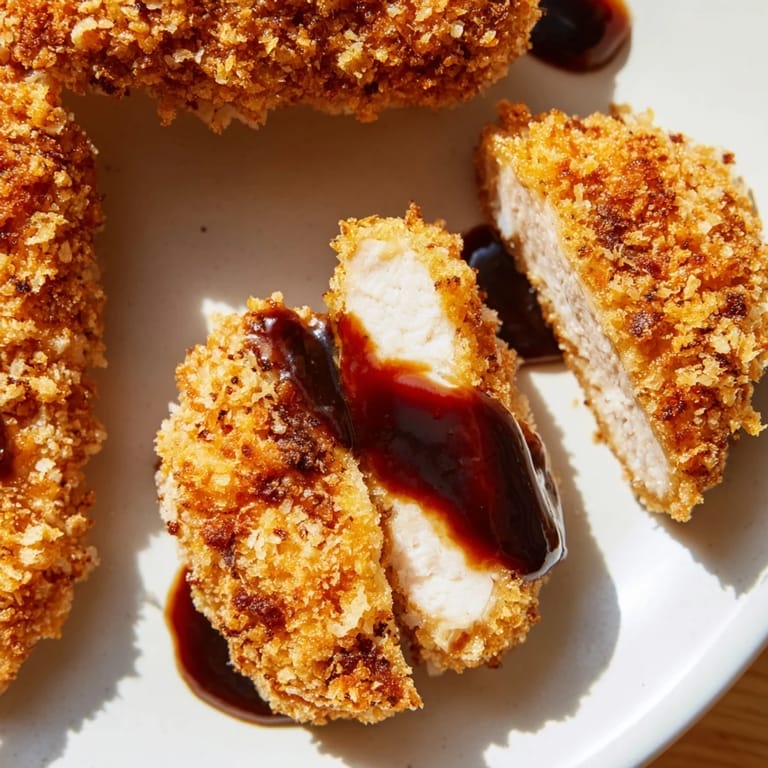
 The sizzle hit first, then the smell of toasted panko filling every corner of my tiny apartment kitchen. I was trying to impress someone who'd grown up eating the real thing in Osaka, and my hands were shaking as I lowered the first cutlet into the oil. It puffed and crackled, turning golden faster than I expected. When I sliced into it and saw the juice run clear against that shatteringly crisp crust, I knew I'd gotten it right.
I started making this every time friends came over after work, serving it with cold beer and a mountain of shredded cabbage. One night someone asked if I'd been to culinary school, and I laughed because I'd only learned this by watching a video three times and burning the first batch. It became my go-to when I wanted to feel competent in the kitchen, the kind of dish that makes you look like you know what you're doing even when you're winging it.
Ingredients
- Boneless, skinless chicken breasts: Pounding them thin ensures they cook evenly and stay juicy instead of drying out under high heat.
- Salt and black pepper: Simple seasoning is all you need since the sauce brings most of the flavor.
- All-purpose flour: This first layer helps the egg stick and creates a base for the panko to cling to.
- Large eggs: Beaten with a little water, they act as the glue that holds the breading together during frying.
- Panko breadcrumbs: Japanese panko is coarser and flakier than regular breadcrumbs, which is why the crust comes out so light and crispy.
- Vegetable oil: You only need enough for shallow frying, not a full deep-fry setup, which makes cleanup easier.
- Ketchup: The sweet base of tonkatsu sauce that balances the savory and tangy elements.
- Worcestershire sauce: Adds umami depth and a hint of tang that makes the sauce taste complex.
- Soy sauce: Brings saltiness and that distinctly Japanese flavor to the mix.
- Mirin: A sweet rice wine that rounds out the sauce, though honey works if you dont have it.
- Dijon mustard: A small amount adds sharpness and helps emulsify the sauce.
- Sugar: Just a teaspoon to balance the acidity and bring everything together.
- Shredded cabbage: Crisp, refreshing, and traditional, it cuts through the richness of the fried chicken.
- Lemon wedges: A squeeze of citrus brightens the whole plate and adds a fresh note.
- Steamed rice: The perfect neutral backdrop to soak up extra sauce and round out the meal.
Tired of Takeout? 🥡
Get 10 meals you can make faster than delivery arrives. Seriously.
One email. No spam. Unsubscribe anytime.
Instructions
- Prepare the chicken:
- Lay each breast between plastic wrap and use a meat mallet or rolling pin to pound it to an even half-inch thickness. Season both sides with salt and pepper, feeling the meat flatten and tenderize under your hands.
- Set up a breading station:
- Line up three shallow dishes with flour in the first, beaten eggs mixed with water in the second, and panko in the third. This assembly line makes the process smooth and keeps your hands from turning into breaded claws.
- Bread the chicken:
- Dredge each cutlet in flour, shake off the excess, dip into the egg wash, then press it into the panko until every surface is covered. The gentle pressure helps the crumbs stick and creates that thick, craggy crust.
- Heat the oil:
- Pour oil into a large skillet over medium heat and wait until it shimmers, about 170 degrees Celsius. Drop a pinch of panko in to test; it should sizzle immediately without burning.
- Fry the cutlets:
- Slide the breaded chicken into the hot oil, working in batches if your pan is small, and fry for three to four minutes per side until deep golden brown. Transfer to a wire rack or paper towels to drain, letting the crust stay crisp instead of getting soggy.
- Make the tonkatsu sauce:
- Whisk together ketchup, Worcestershire, soy sauce, mirin, mustard, and sugar in a small bowl until smooth. Taste it and adjust if you want it sweeter or tangier.
- Serve:
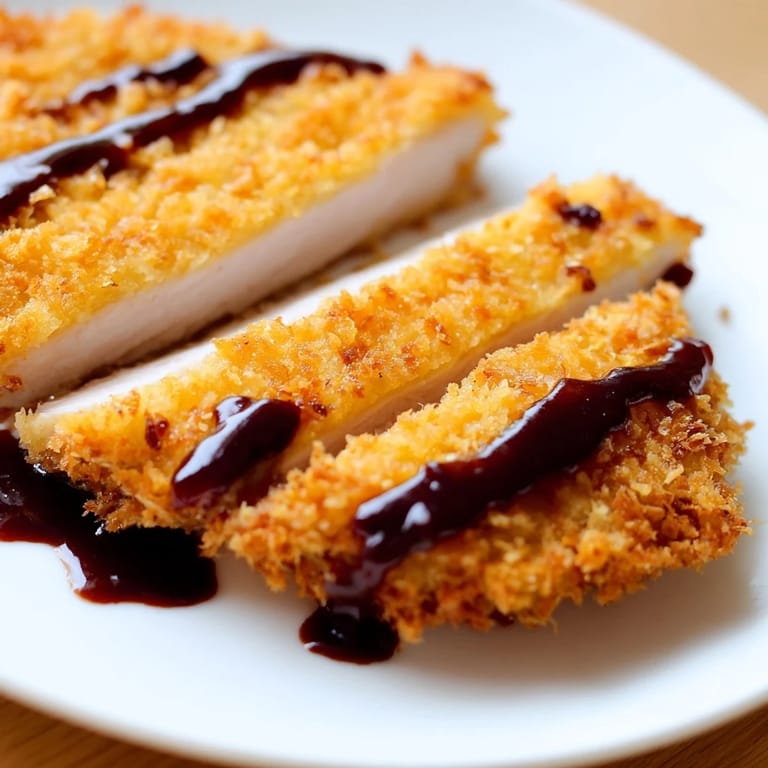
- Slice each cutlet into strips and fan them out on a plate with a pile of shredded cabbage, lemon wedges, and a small dish of tonkatsu sauce on the side. Serve with steamed rice if you want to make it a full meal.
 Pin it
 The first time I served this to my neighbor, she closed her eyes after the first bite and said it tasted exactly like the katsu shop near her old apartment in Tokyo. I didnt tell her Id never been to Japan or that Id learned this from the internet. Sometimes a recipe just works, and you dont need a backstory to make it real.
How to Get the Crispiest Crust
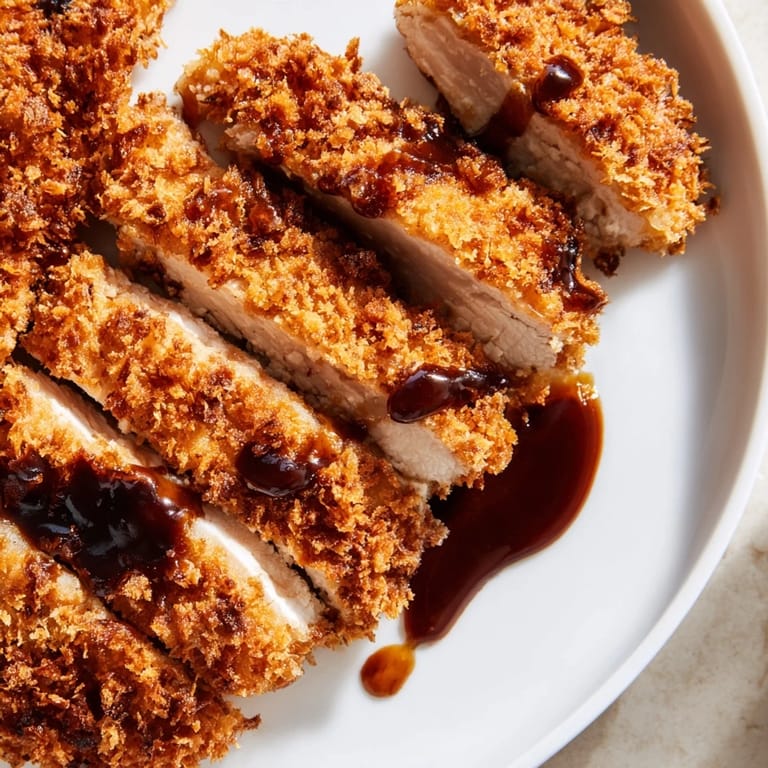
The secret is in the panko and the resting time. Japanese panko has larger, airier flakes than regular breadcrumbs, which fry up lighter and crunchier. After breading, let the cutlets sit on a rack for ten minutes so the coating can dry slightly and adhere better. When you fry them, the moisture from the chicken steams outward through the breading instead of making it soggy, leaving you with that signature crackly texture that stays crisp even as it cools.
What to Do with Leftovers
Cold katsu is a thing of beauty. Slice it thin and layer it over rice with a drizzle of tonkatsu sauce for a quick katsu don, or tuck it into a sandwich with shredded cabbage and Japanese mayo. I've even chopped leftovers and tossed them into a salad with sesame dressing, and the crispy bits added texture without needing to reheat. If you do want to reheat, use the oven at 180 degrees Celsius for about ten minutes to bring back some of the crunch instead of microwaving it into rubberiness.
Pairing and Serving Suggestions
This dish shines with simple, clean sides that let the crispy chicken take center stage. Shredded cabbage is traditional and adds a refreshing crunch, while steamed rice soaks up the tangy tonkatsu sauce perfectly. A cold Japanese lager or a cup of green tea cuts through the richness without overwhelming the flavors.
- Serve with miso soup and pickled vegetables for a full Japanese-style meal.
- Try it with a side of potato salad or coleslaw if you want something creamy.
- Drizzle extra sauce over everything and dont be shy about it.
 Pin it
 Theres something about the sound of that first bite, the way the crust shatters and the juice runs, that makes this dish worth the little bit of effort. Once you get the rhythm down, youll find yourself making it all the time.
Recipe FAQ
- → How do I keep the chicken breast moist while cooking?
Pound the chicken to an even thickness before breading, which ensures uniform cooking. Don't overcook—fry for 3–4 minutes per side until golden brown. The internal temperature should reach 165°F (74°C). Pounding thin cutlets reduces cooking time, preventing drying.
- → Can I prepare the chicken ahead of time?
Yes, you can bread the cutlets up to 4 hours ahead and refrigerate them on a parchment-lined tray. For best results, let them rest at room temperature for 10 minutes before frying. This also helps achieve extra crispiness.
- → What oil temperature is ideal for frying?
Heat oil to 170°C (340°F). You can test readiness by dropping a small piece of bread into the oil—it should sizzle immediately and turn golden in about 60 seconds. Maintaining consistent temperature prevents greasy or undercooked cutlets.
- → Is there a substitute for panko breadcrumbs?
Regular breadcrumbs work in a pinch but won't achieve the same crispiness. Crushed cornflakes or pulverized crackers are good alternatives. For an extra-crispy texture, try mixing panko with a tablespoon of potato starch before coating.
- → Can I use pork instead of chicken?
Absolutely! Pork cutlets create traditional tonkatsu. Use thin pork chops or pound pork tenderloin slices to uniform thickness. Fry for the same 3–4 minutes per side until cooked through. The cooking time remains essentially the same.
- → How do I make this dairy-free?
This dish is naturally dairy-free. All ingredients—chicken, flour, eggs, panko, oil, and tonkatsu sauce—contain no dairy. Always verify that store-bought panko and soy sauce are certified dairy-free if serving to those with allergies.