 Pin it
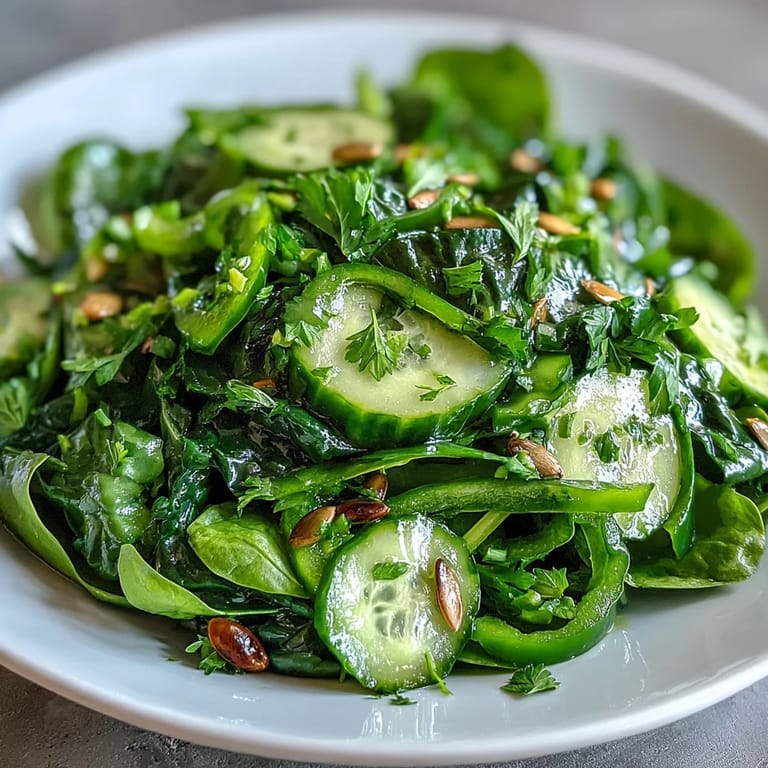
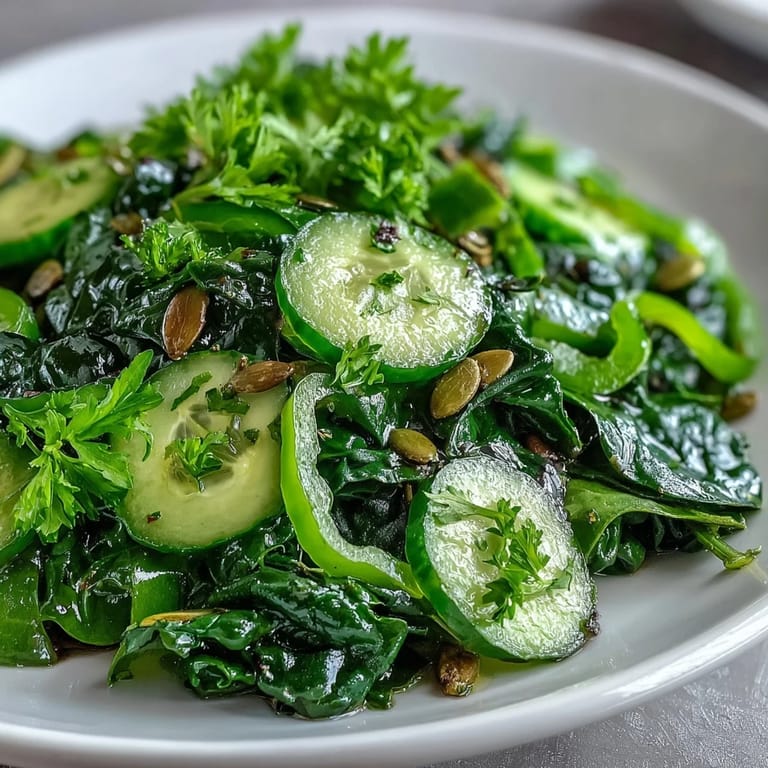
 There's something almost magical about opening the crisper drawer on a Tuesday afternoon and deciding that what you really need is color on your plate—not just any color, but that bright, almost glowing green that makes you feel alive the moment you see it. I stumbled onto this salad quite by accident, really, when I had far too many vegetables that needed using and a craving for something that felt clean and energizing without tasting like obligation. The first time I tossed it together, I was surprised by how the simple lemon-and-mustard dressing transformed everything from separate ingredients into something that actually made me want to eat more salad. It's become the kind of thing I make when I want to remind myself that eating well doesn't have to be complicated.
I made this for a friend who had just started eating differently for health reasons, and she was visibly skeptical until the first bite—then she actually asked for the recipe, which felt like a small victory. What struck me most was watching her realize that the dressing wasn't drowning everything but actually enhancing the flavors she could taste in each vegetable. Sometimes the simplest meals create the most meaningful conversations, and this one did exactly that.
Ingredients
- Mixed baby greens (6 cups): Use whatever combination speaks to you—I've learned that arugula adds a peppery note that makes everything taste more intentional, while spinach keeps things mild and approachable for anyone joining you at the table.
- Cucumber (1, thinly sliced): This is where the salad gets its hydrating quality, so don't skip it; the watery crispness is what makes you want another forkful.
- Celery (1 cup, thinly sliced): People often overlook celery in salads, but it adds a subtle minerality and that satisfying snap that makes the whole thing feel fresh.
- Green bell pepper (1 cup, julienned): The natural sweetness here balances the vinegar in the dressing, so aim for a pepper that feels heavy for its size.
- Zucchini (1 cup, thinly sliced): Raw zucchini is tender and almost delicate—it soaks up the dressing beautifully without becoming mushy.
- Fresh parsley (1/2 cup, chopped): This isn't just garnish; it's actually a flavor base that brings everything together with an herbal brightness.
- Extra virgin olive oil (3 tablespoons): Use something you actually enjoy tasting, because you'll taste it; cheaper oils won't do this justice.
- Fresh lemon juice (2 tablespoons): Squeeze it yourself rather than using bottled if you can—the difference is noticeable and worth the thirty seconds.
- Apple cider vinegar (1 tablespoon): This adds depth without harshness, creating a more complex flavor than plain vinegar alone.
- Dijon mustard (1 teaspoon): This acts as an emulsifier and brings a subtle tang that grounds the entire dressing.
- Sea salt and black pepper (1/2 teaspoon and 1/4 teaspoon): Season to your taste at the end rather than assuming these amounts are perfect for your palate.
- Pumpkin or sunflower seeds (1/4 cup, optional): If you add these, toast them first—it takes ninety seconds in a dry pan and transforms them from pleasant to absolutely essential.
Tired of Takeout? 🥡
Get 10 meals you can make faster than delivery arrives. Seriously.
One email. No spam. Unsubscribe anytime.
Instructions
- Gather and prep your vegetables:
- Wash everything thoroughly and pat dry—wet salad is sad salad, and damp greens won't crisp up properly no matter what else you do. Slice and chop with intention, aiming for pieces that feel roughly the same size so each bite has the same balance.
- Combine greens and vegetables:
- Toss everything into a large bowl with a light hand, almost like you're being gentle with something delicate. This is where you can taste as you go and decide if you want to add that handful of mint or a few avocado slices.
- Whisk the dressing:
- In a separate small bowl, combine the oil, lemon juice, vinegar, and mustard, then whisk steadily until it emulsifies into something creamy and cohesive. You'll know it's ready when it coats the back of a spoon rather than running right off.
- Dress the salad:
- Pour the dressing over everything and toss with a gentle confidence, making sure the greens are fully coated but not drowning. The seeds, if you're using them, go in last so they stay crispy.
 Pin it
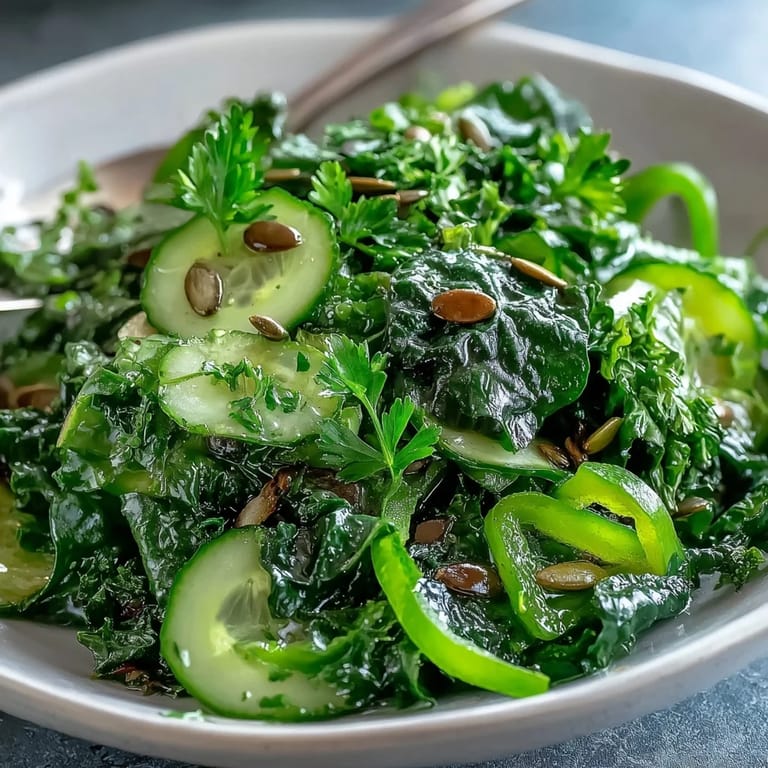
 There was an evening when I made this salad for myself after a long day, and I sat down at my kitchen counter with no intention of doing anything but eating and breathing for a moment. The brightness of it—literally bright, a bowl full of every shade of green—shifted something in my tired mood almost immediately. That's when I realized this salad had become more than something nutritious; it had become something that genuinely made me feel better.
The Dressing Is Everything
I used to make salad dressing too complicated, thinking more ingredients meant more flavor, but this one taught me that sometimes restraint is the point. The balance here is so simple it almost feels too easy—lemon provides brightness, vinegar adds complexity, mustard brings body, and oil carries everything together. Once you understand how these four components work, you can adjust them for your own taste, but this base ratio is genuinely worth memorizing because it works every single time.
Making It Your Own
The beauty of this salad is that it's a framework rather than a rigid prescription, which means you can make it look completely different depending on what's in your kitchen or what you're craving. Some weeks I add chickpeas for protein, other times I'll throw in pomegranate seeds for brightness and a little tartness. The core—fresh greens, hydrating vegetables, and that clean dressing—stays the same while everything else becomes a conversation between you and your ingredients.
Serving and Storage
This salad is best served immediately, while everything is still crisp and the flavors are singing, though you can absolutely prep the vegetables the night before if you're planning ahead. Store the dressing separately and dress just before serving, or your beautiful greens will turn into something limp and sad by the next day. It pairs remarkably well with grilled fish, roasted chicken, or even just good bread and cheese if you're looking for something more substantial.
- If you're meal prepping, keep the dressing in a separate container and shake it before using because it naturally separates.
- Massage the kale beforehand if you're using it, since it's tougher than other greens and benefits from a little coaxing.
- Taste the dressing before you dress the salad—your palate is the final arbiter here, not my measurements.
 Pin it
 This salad has quietly become one of those things I make when I want to feel good, when I'm cooking for someone I want to impress with simplicity, or when I just need to remember that fresh food tastes like sunshine and earth. Make it tonight and see what it becomes for you.
Recipe FAQ
- → How long does this stay fresh?
Best enjoyed immediately after tossing with vinaigrette. For meal prep, store vegetables and dressing separately—combine just before serving to maintain crisp texture.
- → Can I use different greens?
Absolutely. Spinach, arugula, kale, romaine, or mixed spring greens all work beautifully. Choose based on your preference for tender or hearty leaves.
- → What protein pairs well?
Grilled chicken, baked salmon, or chickpeas complement the fresh flavors perfectly. Tofu or tempeh work for plant-based protein options.
- → Is the vinaigrette adjustable?
Yes. Add more olive oil for richness, increase lemon for brightness, or substitute honey or maple syrup if you prefer slight sweetness to balance the acidity.
- → Can I make ahead?
Pre-cut vegetables up to 24 hours ahead and store in airtight containers. Keep vinaigrette separate. Toss together just before serving for optimal freshness.